Exploring the Evolution of LED Technology
Light Emitting Diodes (LEDs) have transformed significantly since their inception, evolving into a pivotal element of modern lighting and display technologies. This transformation is characterized by enhancements in energy efficiency, light quality, versatility, and durability, making LEDs integral to both everyday and specialized applications. Here’s a closer look at these advancements and what we might expect from the future of LED technology.
Enhanced Energy Efficiency
.png)
One of the standout improvements in LED technology is its superior energy efficiency compared to traditional lighting systems like incandescent and fluorescent bulbs. Modern LEDs are capable of using at least 75% less energy and can last 25 times longer than incandescent lighting. This significant increase in efficiency not only helps in reducing electricity bills but also plays a crucial role in environmental conservation by decreasing the energy demand for lighting, which is a major component of global electricity consumption.
Improved Light Quality
The early versions of LEDs were often criticized for the poor quality of light they emitted. However, advancements in phosphor materials and chip design have enabled LEDs to produce a broader spectrum of colors and mimic the warm, inviting glow of incandescent bulbs, without compromising on energy efficiency. This enhancement in light quality has broadened the applications of LEDs, making them suitable for a variety of settings from residential lighting to intricate display systems.
Versatility
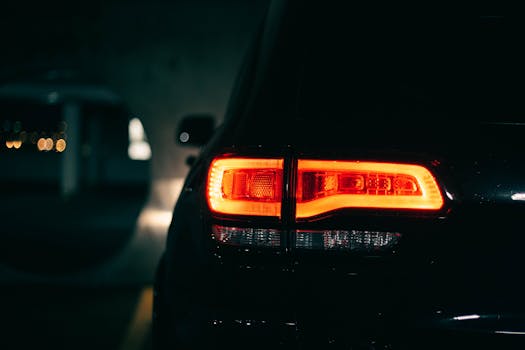
LEDs have expanded their reach beyond traditional lighting, finding roles in several high-tech applications. From the screens of smartphones and televisions to automotive lighting and digital billboards, LEDs are prized for their compact size, low power consumption, and excellent color rendering capabilities. This versatility continues to open new doors for LED applications in various industries.
Smart Lighting Innovations
The integration of LED technology with digital control systems has given rise to smart lighting solutions. These advanced systems allow for remote operation via smartphones or voice-assisted devices, offering customizable lighting experiences that can adjust in brightness, color, and even synchronization with other media. Smart LED systems are becoming an essential component of the modern smart home, contributing to both enhanced personal comfort and energy efficiency.
Durability and Reliability
LEDs today are designed to be more durable and reliable than ever before. Their robust construction makes them resistant to shocks and vibrations, which is essential for applications in challenging environments including outdoor settings and industrial applications. The improved durability also means reduced maintenance costs and lower environmental impact due to decreased replacement needs.
Future Prospects
Looking ahead, the LED industry is poised for further revolutionary changes with the development of Organic LEDs (OLEDs) and Quantum Dot LEDs (QLEDs). OLED technology, known for its efficiency, thin profiles, and flexible displays, is expected to dominate future markets of mobile and television screens. On the other hand, QLEDs are emerging with the promise of providing even brighter and more vibrant displays with superior energy efficiency.
Conclusion
The journey of LED technology from a nascent lighting option to a dominant force in illumination and display underscores its transformative impact on various sectors. With ongoing advancements aimed at enhancing energy efficiency, light quality, and versatility, along with breakthroughs in smart lighting and display technologies, LEDs are set to redefine our interaction with light. As LED technology continues to evolve, its potential to influence our lives and the environment positively appears limitless.