LED Technology in Traffic Lights: Enhancing Road Safety
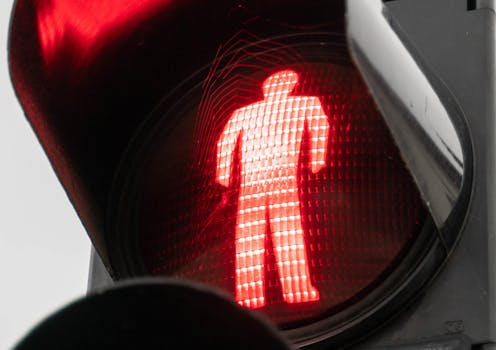
Traffic lights are an essential element of modern road infrastructure, controlling the flow of vehicles and pedestrians at intersections and crosswalks. The shift from traditional incandescent bulbs to Light Emitting Diode (LED) technology in traffic signals has revolutionized this critical component of urban mobility. While LEDs are often celebrated for their energy efficiency, their deeper impact lies in how they enhance road safety for all users. This article explores the technological advancements, real-world benefits, and safety implications of LED traffic lights, providing a comprehensive look at how this innovation is shaping safer streets worldwide.
From Incandescent to LED: A Technological Shift
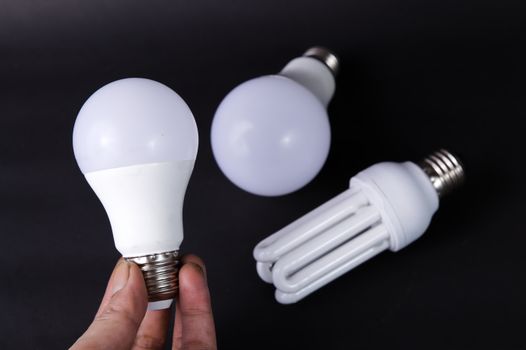
For decades, traffic lights relied on incandescent bulbs—a technology invented in the 19th century. These bulbs, while effective, had significant drawbacks: they were energy-hungry, had limited lifespans, and often dimmed before burning out, leading to dangerous visibility issues. In contrast, LED technology, which began to appear in traffic signals in the late 1990s, offers a suite of advantages directly tied to road safety.
LEDs produce light by passing an electrical current through a semiconductor, generating bright, focused illumination. On average, an LED traffic signal consumes just 10-20% of the energy used by an incandescent counterpart. But more importantly for safety, LEDs maintain their brightness throughout their lifespan, which typically exceeds 50,000 hours—about five times longer than traditional bulbs.
.png)
According to the U.S. Department of Energy, by 2020, more than 80% of all traffic signals in the United States had been converted to LED technology. This widespread adoption marks a significant step forward in enhancing the reliability and effectiveness of traffic management systems.
Enhanced Visibility and Reaction Times
One of the most critical contributions of LED traffic lights to road safety is their superior visibility. LEDs emit a brighter, more uniform light that can be seen clearly from greater distances and wider angles compared to incandescent bulbs. This is essential in adverse weather conditions such as fog, rain, or bright sunlight, where traditional bulbs can become washed out or difficult to see.
A 2017 study by the Insurance Institute for Highway Safety found that intersections upgraded to LED traffic lights saw a measurable reduction in certain types of accidents, particularly those involving red-light violations. The study cited improved reaction times as a likely factor, as drivers could more easily identify signal changes and respond appropriately.
LEDs also allow for innovative signal designs, such as countdown timers and flashing warnings, which can provide drivers and pedestrians with better information about upcoming light changes. For example, a countdown timer displaying the number of seconds until a light turns red gives drivers more time to make safe decisions, reducing the likelihood of abrupt stops or risky accelerations.
Reliability in Critical Situations
A traffic signal failure, especially at busy intersections, can quickly lead to confusion and increased risk of collisions. LED technology addresses this concern by offering superior reliability and resilience. LEDs are less prone to sudden failure; even if a few diodes stop working, the signal typically remains visible and functional, unlike incandescent bulbs that go dark all at once.
Moreover, LEDs generate less heat than traditional bulbs, reducing the risk of component damage and electrical fires. This lower heat output also means that LED signals are less likely to become obscured by condensation or lens fogging—a frequent problem in humid or rapidly changing weather conditions.
To further illustrate the improvements in reliability and lifespan, consider the following comparison:
| Feature | Incandescent Traffic Light | LED Traffic Light |
|---|---|---|
| Average Lifespan | 8,000 hours | 50,000 hours |
| Annual Maintenance Calls (per 1,000 signals) | 12-15 | 2-3 |
| Energy Consumption (per signal) | 60-150 Watts | 10-25 Watts |
| Failure Mode | Total blackout | Partial dimming, rarely total failure |
With fewer failures and less frequent maintenance requirements, cities can ensure that intersections remain safely regulated around the clock.
Supporting Smart Traffic Management
The integration of LEDs into traffic signals has paved the way for smarter, more adaptive traffic management systems. LED modules can be digitally controlled, allowing for dynamic adjustment of signal timing based on real-time traffic conditions. This is a crucial step toward “smart city” infrastructure, where traffic flow can be optimized to reduce congestion and minimize collision risks.
For example, in cities like Los Angeles, adaptive traffic control systems use sensors and cameras to monitor traffic volumes and adjust signal patterns throughout the day. The rapid switching capability of LEDs makes such responsive adjustments possible—incandescent bulbs, with their warm-up and cool-down cycles, are ill-suited for frequent changes.
Additionally, LEDs can be integrated with emergency vehicle preemption systems, temporarily altering signal patterns to give ambulances or fire trucks a clear path through intersections. These systems can shave critical seconds off emergency response times, potentially saving lives.
Addressing Safety Challenges: Glare, Color Distinction, and Snow Accumulation
While LEDs offer significant safety advantages, their adoption has also raised unique challenges. For instance, the intense brightness of some early LED signals led to complaints of glare, especially at night. Modern designs have addressed this with diffusers and directional lenses that focus light toward road users without causing discomfort or distraction.
Another safety consideration is color distinction. Because LEDs emit “purer” wavelengths of red, yellow, and green, they are easier for most drivers to distinguish. However, for those with color vision deficiencies (affecting about 8% of men and 0.5% of women globally), designers must ensure that signal shapes and positions remain standardized—a green circle always at the bottom, red at the top, for example.
A less obvious but important issue is snow accumulation. Traditional bulbs generate enough heat to melt snow and ice that might collect on signal lenses during winter storms. LEDs, being far more efficient and cool-running, do not. This has led some regions to modify their signals with hoods, shields, or heating elements to mitigate the risk of signals being obscured by snow—an essential adaptation in colder climates.
Case Studies: Real-World Impacts on Road Safety
Numerous cities and countries have reported tangible road safety improvements following the transition to LED traffic lights. Here are a few notable examples:
- In Toronto, Canada, after the city replaced 160,000 traffic signals and pedestrian lights with LEDs in the early 2000s, the municipal government reported a 70% reduction in maintenance-related signal outages. - A study in Garland, Texas, found that intersections with LED signals experienced a 24% reduction in crashes attributed to improved visibility and reliability. - In Japan, after a nationwide LED upgrade campaign between 2011 and 2016, the National Police Agency reported a significant decrease in intersection-related accidents, particularly during poor weather conditions.These case studies underscore the broad and practical benefits of LED technology—not just for municipal budgets, but for the safety and well-being of everyday road users.
Conclusion: LEDs as Guardians of the Road
The adoption of LED technology in traffic lights represents much more than an upgrade in lighting; it is a leap forward in public safety, urban efficiency, and technological innovation. By offering superior visibility, reliability, and adaptability, LEDs have become silent guardians at intersections worldwide, quietly reducing risks and saving lives every day.
While challenges remain—such as ensuring visibility during snowy weather or accommodating those with color vision deficiencies—the trajectory of LED development continues to address these issues. As cities move toward smarter infrastructure and connected mobility, the humble LED traffic light will remain at the heart of efforts to create safer, more responsive, and more sustainable streets for all.