.png)
two to three hours before bedtime. This includes TVs, smartphones, tablets, and other electronic devices that emit significant amounts of blue light.
- If you must use electronic devices at night, consider using settings or apps that filter the blue light or adjust the color temperature. Many devices now come with built-in features that reduce blue light exposure in the evening.
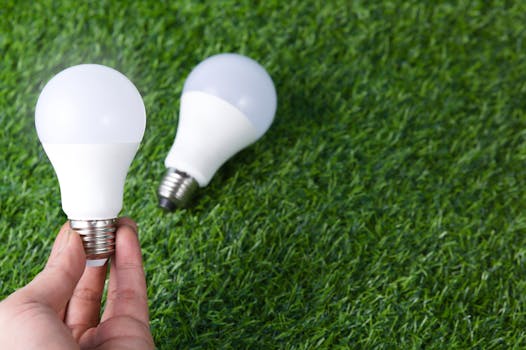
- Install LED bulbs with a lower color temperature in areas used during the evening hours, such as bedrooms and living rooms. Look for bulbs labeled as "warm white" or those with a color temperature of 2700K to 3000K.
- Use curtains or blinds to block blue light from outdoor LED street lamps or advertising that might shine into your bedroom.
- Consider wearing blue light blocking glasses in the evening if you are exposed to high levels of blue light from screens or indoor lighting.
- Create a bedtime routine that allows you to unwind and signals to your body that it’s time to sleep. This can include dimming the lights, reading a book under a warm light, or practicing relaxation techniques.
By being mindful of the type of LED lighting you use and limiting exposure to blue light in the evening, you can help preserve your natural sleep cycle and improve your overall sleep quality. Making these adjustments ensures that you can enjoy the benefits of LED lighting—such as energy efficiency and durability—without compromising your sleep health.