LED lights are not just illuminating homes and offices—they're lighting up the fashion industry too. As wearable technology progresses, LED-infused apparel is becoming the spotlight of innovation, blending style with interactive technology in exciting new ways.
Why LED Lights in Fashion?
LEDs offer a unique opportunity to transform traditional textiles into interactive, customizable garments. They can shift colors, patterns, and brightness, adapting to different settings and moods. This functionality not only elevates the wearer's experience but also introduces a new level of dynamic personal expression in fashion.
.png)
Technical Challenges and Solutions
Integrating LED lights into clothing involves several technical challenges, mainly around power sources, safety, and durability. Most LED garments include a small, concealed battery pack. As battery technology evolves, these are becoming lighter and more efficient, minimizing their impact on the garment’s design and comfort.
Safety is also crucial. It's essential to ensure that all electrical components are well-insulated and pose no risk of electric shocks or burns. The durability of the garment is another consideration, as it needs to withstand wear, tear, and washing. Advances in fabric and electronic integration technologies are continually improving the practicality of LED garments.
Applications and Benefits
LED lights are making their mark on the runway and beyond. Designers are using them to create visually stunning effects in high-fashion pieces, while everyday clothing and accessories benefit from added functionality and safety features. For example, athletic wear with integrated LEDs can enhance a runner’s visibility at night, adding an element of safety.
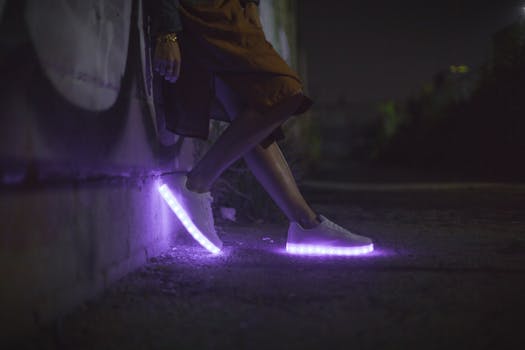
Furthermore, the potential for connectivity in our increasingly digital world is vast. LED-equipped clothing can interact with devices, apps, and services to provide enhanced user experiences, like jackets that notify you of incoming messages or shoes that light up to the beat of the music at a concert.
Sustainability and Fashion
LEDs are known for their energy efficiency and long lifespan, which makes them a more sustainable option compared to some traditional materials used in fashion. As the industry faces increasing pressure to reduce its environmental footprint, LED lights offer a forward-thinking solution.
Market Potential and Challenges
Despite their potential, the widespread adoption of LED lights in fashion faces obstacles. The cost of integrating high-quality LEDs into garments remains high, and there is a pressing need for components that can endure multiple washes without degrading.
However, as technology advances and costs decrease, LED fashion is likely to become more accessible. This could democratize innovative fashion, allowing more people to enjoy the blend of aesthetics and functionality that LED lights offer.
The Future Looks Bright
The integration of LED lights into fashion is a testament to the industry's capacity for innovation and adaptation. It marries aesthetics with practicality and stands at the forefront of the sustainable fashion movement. As technology continues to evolve, the possibilities for LED garments are virtually limitless.
The future of LED in fashion not only promises an exciting array of interactive and customizable clothing but also pushes the boundaries of traditional fashion to create smarter, more sustainable, and more engaging wearable experiences. As we look forward, the fusion of fashion and technology through LEDs will likely continue to captivate and inspire both designers and consumers alike.