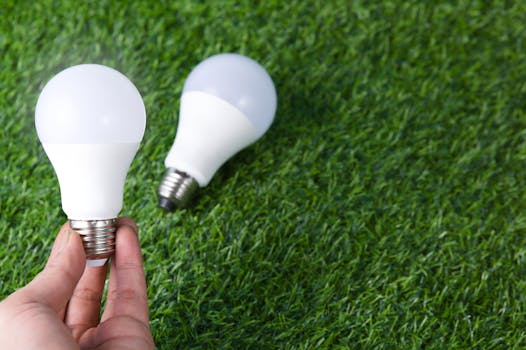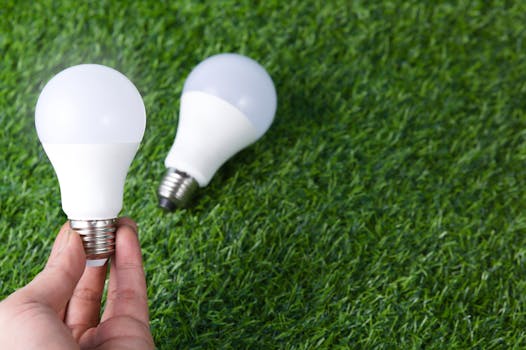
LED lighting has indeed marked a revolutionary shift in how we illuminate our spaces, integrating seamlessly into the fabric of the digital era. This transformation is not just about lighting up rooms but enhancing how we live, work, and interact with our environments.
Energy Efficiency and Environmental Impact
One of the standout features of LED lighting is its exceptional energy efficiency. Traditional incandescent bulbs operate at a much lower efficiency, where a significant portion of energy is lost as heat. LEDs, in contrast, convert most of the energy they consume into light, making them significantly more efficient. This shift can lead to considerable reductions in electricity consumption, which is crucial in a world where energy conservation and sustainability are paramount.
.png)
The environmental benefits of LEDs extend beyond just energy savings. Their long lifespan means that the frequency of replacement is significantly reduced, thereby decreasing the volume of waste generated. Moreover, unlike fluorescent lights, LEDs do not contain mercury, which poses risks to the environment when disposed of improperly.
Technological Integration and Smart Features
The integration of LEDs with digital technology has opened up new frontiers in lighting control and customization. Smart LED systems can be integrated into home automation systems, allowing for unprecedented control over lighting conditions. These systems support energy conservation efforts by ensuring lights are on only when needed and are adjusted according to natural light levels or occupancy.
Smart LEDs can also enhance personal comfort and productivity. For example, they can be programmed to mimic natural light patterns throughout the day, which can help regulate natural circadian rhythms, potentially improving sleep and overall well-being.
Versatility and Customization
LEDs offer incredible versatility in both residential and commercial settings. In homes, LED lighting can create ambiances ranging from warm and cozy to bright and energizing. In commercial spaces, LEDs can be used to highlight architectural features or products, and their ability to adjust color temperature and brightness makes them ideal for displays and exhibitions.
LED technology also shines in outdoor applications. Streetlights, garden lights, and architectural lighting benefit from LEDs’ durability and resistance to temperature variations and precipitation. Furthermore, LEDs contribute to public safety by providing clearer, more reliable lighting in urban and rural areas.
Future Prospects and Innovations
The future of LED technology is indeed promising, with developments like OLEDs and Li-Fi poised to expand the possibilities even further. OLEDs can be used in displays and lighting, offering superb color reproduction, flexibility, and even transparency. Li-Fi technology, still in its early stages, proposes using light waves to transmit data, which could lead to faster and more secure wireless communication.
Conclusion
The evolution of LED lighting represents more than just a technological advancement; it is a critical component of a sustainable future. As we move forward, the integration of LED technology with digital innovations will likely continue to play a key role in shaping our environments, enhancing both the functionality and aesthetics of the spaces we inhabit. The journey of LED lighting from a mere alternative to a central player in lighting solutions underscores its transformative potential and enduring value in the digital age.