The Transition from Incandescent to LED Lighting
Lighting technology has undergone a significant transformation over the past few decades, with the shift from traditional incandescent bulbs to more energy-efficient LED (Light Emitting Diode) lighting. This transition is not just a technological evolution but also a response to global needs for sustainability and energy conservation. Here, we explore the journey from incandescent bulbs to LED lighting, examining the implications for both consumers and the environment.
Understanding Incandescent Bulbs
.png)
Incandescent lighting has been the standard in lighting since its invention by Thomas Edison in the late 19th century. These bulbs produce light by heating a metal filament wire to a high temperature until it glows. The concept is simple, but the efficiency is relatively low. The major downside of incandescent lighting is that about 90% of the energy it uses is emitted as heat rather than visible light, making it an inefficient light source.
The Rise of LED Lighting
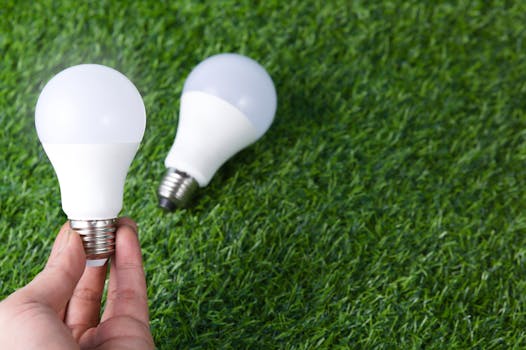
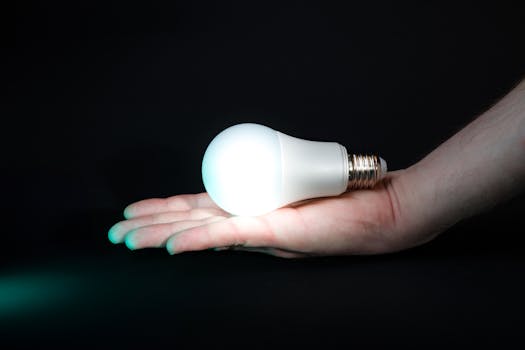
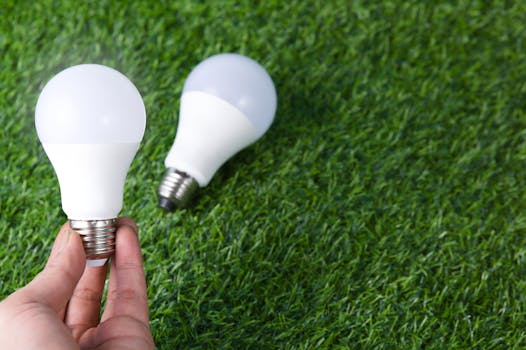
LEDs represent a fundamentally different approach to lighting. Unlike incandescent bulbs, LEDs do not rely on heating a filament. Instead, they produce light when an electrical current passes through a semiconductor material, which then emits light energy. This process is significantly more efficient than that of incandescent bulbs. LEDs also have a longer lifespan, typically lasting 25 times longer than incandescent bulbs.
Environmental and Economic Benefits
The switch to LED lighting brings several key benefits, primarily in terms of environmental sustainability and economic savings. LEDs consume up to 85% less energy than incandescent bulbs, which translates to lower electricity bills for consumers and decreased energy demand on a global scale. This reduced energy consumption directly contributes to a decrease in greenhouse gas emissions, aiding in the fight against climate change.
Moreover, the long lifespan of LED bulbs means that they need to be replaced less frequently, reducing waste and the demand for manufacturing, packaging, and transportation. All these factors combined contribute to a reduced environmental footprint compared to traditional incandescent bulbs.
Financial Implications for Consumers
The initial cost of LED bulbs is higher than that of incandescent bulbs. However, the long-term savings are substantial due to their lower energy usage and longer lifespan. Consumers will notice a decrease in their energy bills and spend less on bulb replacement over time. Many governments and utility companies offer rebates and incentives for switching to LED lighting, which helps offset the initial higher cost.
Challenges in the Transition
Despite the benefits, the transition from incandescent to LED lighting has faced challenges. The quality of light, including color temperature and brightness, initially led to consumer resistance. Early LEDs were often criticized for their harsh, cool light, but advances in technology have allowed for a range of color temperatures and improved light quality, making modern LEDs much closer to the warm light traditionally associated with incandescent bulbs.
Additionally, there is the issue of existing lighting infrastructure, which in many cases was designed for incandescent bulbs. Retrofitting old systems can be costly and complex, although the long-term benefits often justify the initial investment.
The Future of Lighting
Looking ahead, the future of lighting lies in further advancing LED technology and integrating smart technology into lighting systems. Smart LEDs, which can be controlled via smartphone apps and integrated into home automation systems, are becoming increasingly popular. These advancements allow for greater control over lighting, energy usage, and even personalization of lighting schedules and moods, contributing to both energy efficiency and enhanced user experience.
Conclusion
The transition from incandescent to LED lighting marks a significant shift in how we light our world, driven by the need for more sustainable and efficient lighting solutions. While there have been challenges along the way, the benefits of LEDs in terms of energy efficiency, environmental impact, and cost savings are clear. As technology continues to evolve, the potential for smarter, more efficient lighting options will continue to grow, illuminating the path towards a brighter, more sustainable future.