Debunking Common Myths About LED Technology
LED (Light Emitting Diode) technology has become a cornerstone in modern lighting solutions, yet misconceptions about its application and benefits still linger. This article addresses and dispels some of the prevalent myths surrounding LED lighting to help foster a better understanding of its efficiency and versatility.
Myth 1: LED Lights Are Expensive
.png)
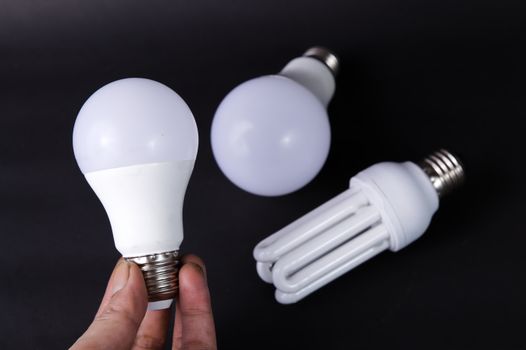
Truth: While LEDs initially had a higher upfront cost, the prices have drastically decreased as technology has advanced. LEDs are cost-effective when considering their energy efficiency and longevity. They consume significantly less energy than traditional bulbs—up to 90% less than incandescent and about 50% less than fluorescents—resulting in substantial long-term savings on electricity bills and replacement costs.
Myth 2: LED Lighting Is Too Harsh
Truth: Early LEDs were often criticized for their cool, sometimes bluish light, which seemed too harsh for certain residential settings. However, modern LEDs come in a spectrum of color temperatures, offering everything from warm yellows suitable for cozy living spaces, to bright daylight tones ideal for work environments. Many LED products now feature adjustable dimming capabilities, allowing for customizable lighting setups that can suit any mood or setting.
Myth 3: LEDs Are Ineffective in Cold Temperatures
Truth: LEDs are particularly efficient in cold environments, contrary to the belief that they do not produce enough heat to function effectively in such conditions. Unlike fluorescent lamps, which may struggle to operate at low temperatures, LEDs maintain consistent performance and are ideal for outdoor areas, freezers, and cold storage spaces.
Myth 4: LED Lights Are Damaging to the Eyes
Truth: There is concern over the blue light emitted by LEDs, but the levels of blue light are generally low and not significantly harmful. Like all light sources, including natural sunlight, LEDs do emit blue light, but the key is moderation and proper usage. Ensuring that LED lights are well-shielded and diffused can help minimize direct exposure to blue light and reduce potential eye strain.
Myth 5: LEDs Cannot Be Used with Dimmers
Truth: This misconception stems from earlier LED models that often had compatibility issues with existing dimming systems. Today, many LED lights are designed to be fully dimmable, ensuring they work seamlessly with modern dimming technologies. Checking compatibility between LED bulbs and dimmers is essential to achieve the desired dimming effect.
Myth 6: LEDs Contain Hazardous Materials and Are Difficult to Dispose
Truth: LEDs are a more environmentally friendly option compared to many other types of bulbs. They do not contain mercury, a harmful component found in fluorescent bulbs, and they are entirely recyclable. The durability and long lifespan of LEDs also contribute to less frequent replacements and, consequently, reduced waste.
Conclusion
LED technology not only offers superior energy efficiency and longevity but also comes in a versatile range of designs and color temperatures suitable for various applications. By dispelling these common myths, consumers can make informed decisions and fully benefit from the advancements in LED technology. As progress continues, LED lighting is set to become even more accessible and advantageous, illuminating spaces while minimizing environmental impact.