The Science of LED Lighting and Its Surprising Effects on Sleep Quality
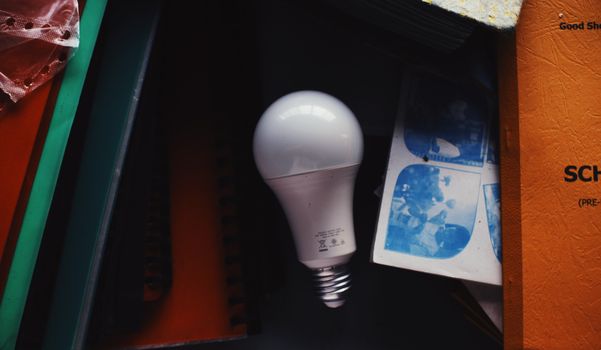
In our fast-paced, technology-driven world, artificial lighting is a constant presence—from the smartphones we check before bed to the LED bulbs illuminating our homes. LEDs (light-emitting diodes) have rapidly become the dominant lighting technology thanks to their energy efficiency, long lifespan, and versatility. However, as we welcome LEDs into every corner of our lives, questions arise about their impact on human health—especially on sleep quality.
Sleep is a cornerstone of physical and mental well-being, yet millions struggle with falling and staying asleep. With scientific research increasingly linking light exposure—particularly artificial light at night—to sleep disturbances, understanding the specific role of LED lighting is more crucial than ever. In this article, we’ll explore the science behind how LED light affects sleep, examine the mechanisms involved, compare LEDs with other light sources, and offer practical guidance for healthy lighting habits.
The Biological Clock: How Light Regulates Our Sleep
To grasp how LED lighting influences sleep, it’s essential to understand the human circadian rhythm. The circadian rhythm is our internal biological clock, regulating cycles of sleep and wakefulness over a 24-hour period. This rhythm is primarily controlled by a small region in the brain called the suprachiasmatic nucleus (SCN), which responds to light signals received through the eyes.
.png)
Natural sunlight is the primary cue for our circadian rhythm. Exposure to bright light in the morning signals the brain to suppress melatonin—a hormone that promotes sleep—and boost alertness. As evening approaches and natural light fades, melatonin production ramps up, preparing the body for rest.
Artificial lighting, especially in the blue wavelength range (460-480 nm), can disrupt this delicate balance. Blue light is particularly potent in suppressing melatonin, making it harder to fall asleep. This is where LED lighting comes under scrutiny: many LED bulbs and devices emit high levels of blue light, especially compared to traditional incandescent bulbs.
LEDs vs. Other Light Sources: A Closer Look at Blue Light Emissions
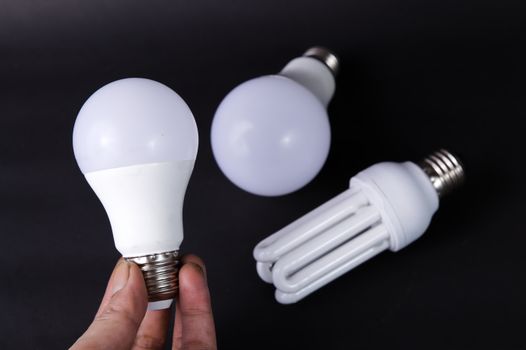
Not all artificial lights are created equal. The spectral composition, or the "color" of light, greatly influences its effect on our circadian system. Let’s compare common household lighting technologies:
| Light Source | Blue Light Emission (460-480nm) | Melatonin Suppression Potential | Energy Efficiency |
|---|---|---|---|
| LED | High (especially cool white LEDs) | High | Very High |
| Incandescent | Low | Low | Low |
| Compact Fluorescent (CFL) | Moderate | Moderate | High |
| Halogen | Low to Moderate | Low to Moderate | Moderate |
A 2011 Harvard study found that exposure to blue-rich light (such as from cool white LEDs) for 6.5 hours suppressed melatonin production twice as much as exposure to green light of comparable brightness. The same study indicated that blue light shifted circadian rhythms by 3 hours, compared to 1.5 hours for green light.
The Rise of LEDs: Benefits and Hidden Risks for Sleep
LEDs have revolutionized lighting with their remarkable efficiency—using up to 80% less energy and lasting 25 times longer than incandescent bulbs. According to the U.S. Department of Energy, LEDs could account for 84% of all lighting sales by 2030. Their adaptability allows for a range of color temperatures, from warm (yellowish) to cool (bluish) hues.
However, this flexibility is a double-edged sword. While warm white LEDs (2700K-3000K) emit less blue light, many popular "daylight" or "cool white" LEDs (4000K-6500K) have a strong blue component. Prolonged evening exposure to these lights can interfere with sleep patterns. A 2018 study published in "Lighting Research & Technology" found that people exposed to high color temperature LEDs experienced a 50% greater suppression of melatonin than those exposed to lower color temperatures.
Additionally, the use of LED screens—phones, tablets, and computers—has soared. The average American now spends over 7 hours per day looking at screens, according to a 2023 Nielsen report. Late-night screen time further compounds blue light exposure, delaying sleep onset and reducing sleep quality.
How LED Light Exposure Disrupts Sleep: Mechanisms and Effects
The primary way LEDs impact sleep is through melatonin suppression, but their effects are multifaceted:
1. $1 Exposure to blue-rich LED light in the evening shifts the circadian phase, making it harder to fall asleep at the desired time. 2. $1 Studies, including a 2017 trial in the "Journal of Biological Rhythms," have shown that blue light exposure before bed can decrease the duration of REM (rapid eye movement) sleep, which is crucial for memory consolidation and emotional regulation. 3. $1 LED light can cause more frequent awakenings and lighter sleep, leading to reduced sleep efficiency. 4. $1 Chronic circadian disruption is linked to increased risks of obesity, diabetes, mood disorders, and even certain cancers, according to the World Health Organization.For example, a 2014 study published in "PNAS" found that participants reading from an LED-lit e-reader before bed took 10 minutes longer to fall asleep, had 55% lower evening melatonin levels, and reported feeling less rested the next morning compared to those reading print books under dim light.
Practical Solutions: Using LEDs Without Sacrificing Sleep
While the science is clear about the risks, abandoning LED lighting isn’t practical or necessary. Instead, strategic use and technological advancements offer ways to minimize negative impacts:
- $1 Opt for bulbs labeled as "warm white" (2700K-3000K) in living spaces and bedrooms. These emit less blue light. - $1 Use dimmers and smart bulbs to lower brightness and shift to warmer colors in the evening. Some LEDs are tunable and can mimic the natural progression of daylight. - $1 Activate blue light filters or "night mode" features on smartphones, tablets, and computers after sunset. These settings reduce blue light emission by up to 80%. - $1 Try to avoid screens for at least one hour before bedtime. Instead, read print books or listen to podcasts. - $1 Use task lighting rather than overhead lighting in the evening, and consider motion sensors for nighttime trips to the bathroom. - $1 Clinical trials show that wearing amber-tinted glasses in the evening can reduce melatonin suppression and improve sleep quality.Future Directions: Innovations in Human-Centric LED Lighting
The lighting industry is responding to these challenges with "human-centric lighting" (HCL) solutions—LED systems designed to support healthy circadian rhythms. These systems automatically adjust color temperature and intensity throughout the day, simulating natural light patterns. For example, tunable white LEDs can provide energizing cool light in the morning and soothing warm light in the evening.
Emerging research, such as a 2022 study in "Sleep Medicine Reviews," shows that dynamic HCL systems can improve sleep onset by 20% and increase self-reported sleep quality. Some workplaces, hospitals, and schools are already adopting these technologies to enhance alertness during the day and promote restful sleep at night.
However, more long-term studies are needed to fine-tune these systems and establish best practices for residential use. As LEDs continue to evolve, consumers will increasingly have access to lighting that not only saves energy but also supports their health.
Final Thoughts on LED Lighting and Sleep Quality
The shift to LED lighting brings undeniable benefits for our wallets and the planet, but it also introduces new considerations for our biological well-being. Scientific evidence makes it clear: the blue light emitted by many LEDs—especially when used in the evening—can disrupt sleep by interfering with melatonin production and the circadian rhythm.
Fortunately, by choosing the right LED products, using smart controls, and being mindful of evening light exposure, we can enjoy the efficiency and versatility of LEDs without sacrificing a good night’s sleep. As research and technology advance, the future of lighting promises to be both brighter and healthier.