Across the world, museums have long been sanctuaries for artistic masterpieces and historical treasures. But while the art on the walls receives the bulk of attention, the lighting above and around it plays an equally crucial role in how visitors perceive, appreciate, and remember their experience. In recent years, LED lighting has emerged as a revolutionary force in museum illumination, transforming the way art is displayed, preserved, and enjoyed. This article explores the remarkable impact of LED lights in museums, examining how advanced lighting technology enhances art appreciation while supporting conservation, customization, and sustainability.
The Science of Seeing Art: How Lighting Affects Perception
Lighting is more than a background detail; it fundamentally shapes our visual experience. The human eye perceives color, texture, and detail differently under various lighting conditions. In art museums, traditional lighting sources such as incandescent or halogen bulbs often created inconsistent color temperatures, cast shadows, and generated heat that could damage sensitive artworks.
Studies show that 80% of the information humans absorb is visual, and lighting accounts for up to 60% of the visual impact in museum settings. Poorly lit exhibits can dull colors, flatten textures, and obscure fine details, reducing the emotional and intellectual connection between artwork and viewer.
.png)
LED (Light Emitting Diode) technology offers precise control over color temperature, brightness, and beam spread, enabling curators to tailor the lighting to each piece’s unique needs. This level of control not only highlights the subtleties in a Van Gogh painting or the fine lines in an ancient manuscript but also ensures that every visitor, regardless of the time of day, sees the art at its best.
Preserving Priceless Works: LEDs and Art Conservation
One of the most pressing concerns for museums is protecting their collections from environmental damage, and light is a major culprit in art degradation. Ultraviolet (UV) and infrared (IR) radiation from traditional light sources can accelerate the fading of pigments, yellowing of paper, and deterioration of textiles.
LED lighting addresses this challenge head-on. Unlike older bulbs, LEDs emit negligible UV and IR radiation, drastically reducing the risk of long-term damage. According to the American Institute for Conservation, switching to LED lighting can extend the lifespan of sensitive artifacts by up to 40%, as it minimizes exposure to harmful wavelengths.
Additionally, LED fixtures generate significantly less heat. For context, halogen lights can reach temperatures over 200°C (392°F), while LEDs typically operate below 60°C (140°F). This lower heat output allows curators to place lights closer to exhibits without risking thermal stress on delicate materials.
Many world-renowned museums, such as the Louvre in Paris and the Rijksmuseum in Amsterdam, have transitioned to LED lighting specifically to safeguard their priceless collections for future generations.
Customizing the Visitor Experience: LEDs in Exhibit Design
Beyond preservation, LEDs empower curators and designers to craft immersive, dynamic experiences that deepen art appreciation. With digital controls, museum staff can adjust light levels, hues, and patterns in real time, adapting the environment to the narrative of each exhibit.
For example, the Museum of Modern Art (MoMA) in New York uses programmable LED systems to recreate the specific lighting conditions under which certain works were created or originally displayed. This contextual approach allows visitors to experience art as the artist intended—whether it’s the soft, warm glow reminiscent of candlelight for a Baroque painting or the cool, crisp clarity suited for contemporary sculpture.
LEDs also facilitate interactive installations. Light can be programmed to respond to visitor movement, sound, or even mobile apps, engaging audiences in novel and memorable ways. These dynamic capabilities have been shown to increase visitor dwell time by up to 30% and boost overall satisfaction rates.
Energy Efficiency and Sustainability: LEDs Light the Way Forward
Museums are often large, energy-intensive spaces that must maintain controlled environments for both visitors and collections. Lighting alone can account for up to 50% of a museum’s electricity consumption. The shift to LEDs brings dramatic improvements in energy efficiency:
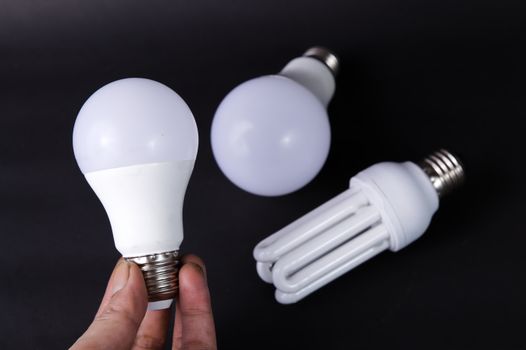
- LEDs use up to 80% less energy than incandescent bulbs and 50% less than compact fluorescents. - The average LED lasts 25,000 to 50,000 hours, compared to just 1,000 hours for incandescent and 8,000 for fluorescents. - This longevity translates to lower maintenance costs and less frequent bulb replacements, reducing waste and operational disruptions.In 2021, the Smithsonian Institution reported a 68% reduction in lighting energy costs after converting its galleries to LED systems. This not only supports institutional sustainability goals but also frees up resources for educational programs and new acquisitions.
Comparing Lighting Technologies in Museums
To better understand the advantages of LEDs, let’s compare them to other common museum lighting technologies:
| Feature | Incandescent | Halogen | Fluorescent | LED |
|---|---|---|---|---|
| Color Rendering Index (CRI, 0-100) | 95 | 98 | 80-90 | 80-98 |
| UV/IR Emissions | High | High | Moderate | Negligible |
| Energy Use (Watts per 1000 lumens) | 60W | 50W | 20W | 10W |
| Average Lifespan (hours) | 1,000 | 2,000 | 8,000 | 25,000-50,000 |
| Heat Output | High | Very High | Moderate | Low |
| Suitability for Art Conservation | Poor | Poor | Fair | Excellent |
This comparison makes clear why LEDs are now the preferred choice for museums seeking to balance aesthetic, financial, and conservation needs.
Innovative Examples: LEDs Transforming Museum Experiences
Across the globe, museums are harnessing the creative and technical potential of LED lighting in astonishing ways. Here are a few standout examples:
1. The Louvre’s Mona Lisa Gallery: In 2019, the Louvre installed a custom-designed LED system to illuminate the world’s most famous painting. With a CRI of 98 and carefully tuned color temperature, the lighting reveals details in Leonardo da Vinci’s masterpiece previously lost to shadow or glare, all while protecting the painting from UV and heat. 2. The Van Gogh Museum, Amsterdam: Here, adaptive LED lighting replicates natural daylight as it would have appeared in the 19th century, allowing visitors to perceive Van Gogh’s vivid palette as he intended. 3. The National Gallery, London: In a 2013 pilot, the gallery reduced energy usage by 85% in select rooms after upgrading to LEDs, with no compromise in visual quality. Surveys found that 92% of visitors preferred the new lighting. 4. The Museum of Islamic Art, Doha: The museum’s architecture and exhibits are accentuated by dynamic LED sequences that shift throughout the day, enhancing both the building’s design and the artifacts’ visibility.These case studies demonstrate the versatility of LEDs, from faithful color rendering to conservation-friendly illumination and cutting-edge visitor engagement.
Final Thoughts: The Future of LED Lighting in Museums
As museums strive to attract new audiences and care for their collections, the role of lighting has never been more important. LED technology delivers a rare combination of visual brilliance, conservation safety, energy efficiency, and creative flexibility. By embracing LEDs, museums can offer richer, more engaging experiences while preserving the art—and the planet—for generations to come.
Looking ahead, innovations such as tunable white LEDs, circadian lighting, and AI-driven adaptive systems promise even greater customization and sustainability. Ultimately, LED lighting is not just a technical upgrade; it’s a transformative tool for deepening our connection to art, history, and culture.