LED lighting has rapidly become the gold standard for residential illumination, not just for its bright, pleasant light, but also because it offers a powerful solution to energy efficiency challenges in modern homes. As households look for ways to reduce utility costs and minimize their carbon footprint, switching to LED lighting stands out as one of the most effective measures. But how exactly do LEDs make such a difference, and what practical steps can homeowners take to maximize their benefits? This article dives into the science behind LED efficiency, real-world savings, integration strategies, and actionable tips that go beyond simply swapping out bulbs.
The Science Behind LED Efficiency: Why LEDs Use Less Power
Understanding how LED lighting improves energy efficiency starts with how LEDs work. Unlike traditional incandescent bulbs, which create light by heating a filament until it glows (a process that loses a significant amount of energy as heat), LEDs—or Light Emitting Diodes—produce light through electroluminescence. When an electric current passes through the semiconductor material inside an LED, it emits photons directly, resulting in far less energy loss as heat.
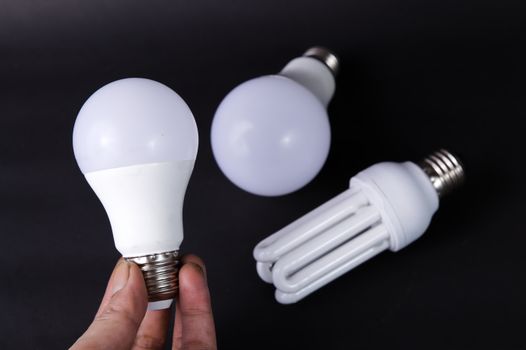
On average, LEDs use at least 75% less energy than incandescent bulbs and last up to 25 times longer, according to the U.S. Department of Energy. Compact fluorescent lamps (CFLs) are more efficient than incandescents, but LEDs still outperform CFLs, using about 25-30% less energy and lasting twice as long.
.png)
A key metric here is luminous efficacy, measured in lumens per watt (lm/W). Incandescent bulbs typically offer 10-17 lm/W, CFLs provide 35-60 lm/W, while modern LEDs deliver 80-110 lm/W or more. This means you get more light output for every watt of electricity consumed when you choose LEDs.
Real-World Impact: Quantifying Savings for Homeowners
Switching to LED lighting isn’t just a theoretical improvement—it translates to tangible cost and energy savings at the household level. Let’s break down what this means for a typical American home.
According to the U.S. Energy Information Administration, the average American home uses about 800 kilowatt-hours (kWh) of electricity annually for lighting. If those homes switched all incandescent bulbs to LEDs, they could save around $225 in annual energy costs.
To put these numbers in perspective, consider the following comparative table:
| Bulb Type | Typical Wattage | Lifespan (hours) | Annual Energy Cost (per bulb) | Lumens |
|---|---|---|---|---|
| Incandescent | 60W | 1,000 | $8.22 | 800 |
| CFL | 13W | 8,000 | $1.78 | 800 |
| LED | 8W | 25,000 | $1.10 | 800 |
These calculations assume three hours of use per day at an average electricity rate of $0.12 per kWh. The differences are clear: LEDs offer not just lower running costs but also significantly longer lifespans, reducing replacement frequency and waste.
Smart Integration: Using Controls and Automation for Greater Savings
While replacing bulbs is an excellent first step, homeowners can amplify their energy savings by integrating LEDs with smart controls and automation systems. Dimmers, timers, occupancy sensors, and smart home platforms allow users to fine-tune lighting usage, eliminating waste and adapting illumination to real needs.
For example, adding motion sensors in hallways or bathrooms ensures lights are only on when the space is in use. According to the Lawrence Berkeley National Laboratory, occupancy sensors can reduce lighting energy use by 24% in residential settings.
Smart LEDs, connected to home automation platforms like Google Home or Amazon Alexa, let homeowners schedule lighting, adjust brightness remotely, or even change color temperature for different activities—ensuring that lights are never left on unnecessarily. By combining LED technology with smart controls, it’s possible to achieve up to 50% additional energy savings compared to LEDs alone.
Practical Tips and Tricks for Maximizing LED Efficiency
Beyond the basics of switching bulbs, there are several practical strategies to get the most out of LED lighting in your home:
1. Choose the Right Color Temperature: LEDs come in various color temperatures, measured in Kelvins (K). For living rooms and bedrooms, 2700-3000K provides a warm, cozy light, while kitchens and workspaces benefit from cooler temperatures around 4000-5000K. Selecting the right temperature can reduce the need for supplementary lighting. 2. Use Task Lighting: Rather than relying on one bright overhead light, use LED task lighting for activities like reading, cooking, or working. Desk lamps, under-cabinet strips, and spotlights direct light where it's needed, reducing overall consumption. 3. Opt for ENERGY STAR Certified LEDs: These bulbs meet strict efficiency and performance standards. According to ENERGY STAR, certified LEDs use at least 75% less energy and last 15 times longer than incandescent lighting. 4. Maintain Fixtures and Bulbs: Dust and dirt can reduce light output by up to 30%. Regularly cleaning LED fixtures ensures you get the full brightness, so you don’t feel the need to use more lights or higher wattages. 5. Upgrade Fixtures, Not Just Bulbs: In some cases, older fixtures aren’t optimized for LED technology. Installing LED-specific fixtures, especially for recessed or outdoor lighting, can improve energy efficiency and light quality. 6. Make Use of Natural Light: Strategically place LEDs to supplement, not replace, natural daylight. Install dimmers or daylight sensors to adjust artificial lighting based on the time of day and available sunlight.Addressing Common Concerns: Myths and Misconceptions about LEDs
Despite their widespread adoption, several misconceptions still surround LED lighting. Addressing these helps homeowners make informed choices.
Myth 1: LEDs are too expensive. Fact: While the upfront cost of LEDs is higher than traditional bulbs, the long-term savings in energy and replacement costs more than make up for it. Prices have also dropped significantly—by over 85% since 2008, according to the Department of Energy.
Myth 2: LEDs are harsh and unattractive. Fact: Early LEDs were limited in color range, but today's models are available in a variety of color temperatures and can closely match the warmth of incandescent bulbs. Many are also dimmable and come in decorative styles.
Myth 3: LEDs don’t work with dimmers. Fact: Many modern LED bulbs are compatible with standard dimmer switches, but it’s important to check packaging and, if necessary, upgrade to LED-compatible dimmers for best performance.
Myth 4: LEDs contain hazardous materials. Fact: Unlike CFLs, which contain small amounts of mercury, LEDs contain no hazardous materials and are safe for home use and disposal.
Understanding these facts ensures that homeowners can confidently invest in LED lighting, knowing they're making a smart, sustainable choice.
LED Lighting and the Bigger Picture: Environmental and Societal Benefits
While personal energy savings are compelling, the adoption of LED lighting also delivers significant environmental and societal benefits. Residential lighting accounts for nearly 15% of the average home’s electricity use, and national adoption of LEDs has the potential to reduce annual U.S. energy consumption by 348 terawatt-hours by 2027—the equivalent output of 44 large power plants, according to the Department of Energy.
This reduction translates directly to lower greenhouse gas emissions. For every household that switches to LEDs, about 1,400 pounds of CO2 emissions can be avoided annually. On a global scale, widespread LED adoption is a critical step toward meeting climate targets.
Moreover, because LEDs last much longer, they generate less waste. With fewer bulbs needing replacement, there’s a reduction in manufacturing demand, packaging, and landfill contributions. This holistic impact underscores why LEDs are a cornerstone of sustainable home improvement.
Final Thoughts: Making the Most of LED Lighting in Your Home
LED lighting isn’t just a trend—it’s a practical, proven way to improve energy efficiency, save money, and reduce environmental impact. Homeowners can take advantage of these benefits by not only replacing old bulbs but also integrating smart controls, choosing the right products for each space, and staying informed about evolving technology.
By combining practical upgrades with an awareness of best practices, every household can turn lighting from an energy drain into an efficiency win. As LED technology continues to advance, the opportunities for smarter, greener homes will only grow.