The Environmental Impact of LED Technology
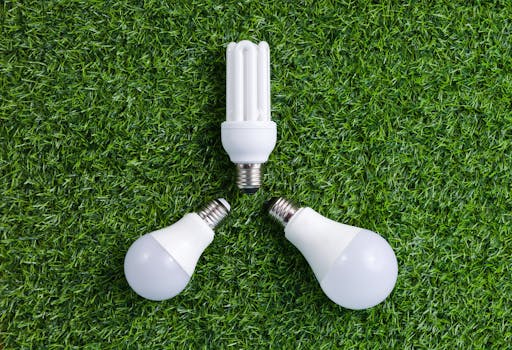
Light-emitting diode (LED) technology has revolutionized the way we light our homes and cities. Known for their efficiency and longevity, LEDs have gradually replaced older technologies such as incandescent and fluorescent bulbs. As environmental concerns become increasingly urgent, understanding the environmental impact of our choices, including those related to lighting, becomes crucial. This article explores the various environmental impacts of LED technology, highlighting both its benefits and potential drawbacks.
Energy Efficiency and Reduced Carbon Footprint
.png)
One of the most significant environmental benefits of LED lighting is its energy efficiency. LEDs use at least 75% less energy than incandescent lighting and last 25 times longer, according to the U.S. Department of Energy. This drastic reduction in energy consumption directly translates to a lower carbon footprint, as less energy usage means less fuel burned in power plants, which are often reliant on fossil fuels.
This energy efficiency also results in significant reductions in greenhouse gas emissions. By reducing the demand for electric power, LEDs help decrease the amount of carbon dioxide and other harmful gases released into the atmosphere. For example, over their lifetime, a single LED bulb can save the emission of about 1,000 pounds of carbon dioxide compared to an incandescent bulb.
Reduced Resource Consumption and Waste
LEDs not only consume less power but also have a longer lifespan, which significantly reduces the frequency of replacement. This longevity means fewer resources are needed for manufacturing, packaging, and transportation compared to traditional bulbs. Consequently, the waste generated is also lessened, contributing further to environmental conservation.
Moreover, LED bulbs are often made with recyclable materials and do not contain mercury, unlike their fluorescent counterparts. This makes them safer and easier to recycle, reducing the amount of hazardous waste in landfills and the environment.
Light Pollution and Ecological Impact
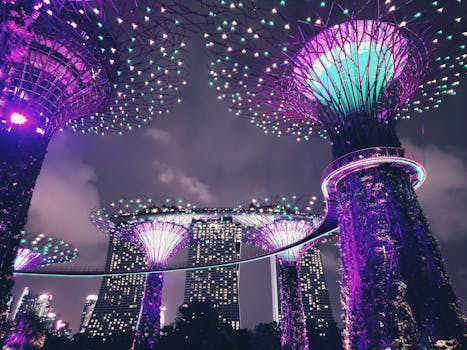
While LEDs offer substantial environmental benefits, they are not without their challenges. One of the lesser-known impacts of LED lighting is its contribution to light pollution. LEDs often emit a significant amount of blue light, which can scatter more widely across the sky than warmer lights. This increased skyglow can disrupt ecosystems, affecting nocturnal wildlife and interfering with human circadian rhythms.
The impact on insects and birds can be particularly severe. Research has shown that artificial light at night can alter behaviors such as reproduction and migration, and can even increase predation rates. For instance, sea turtles can be disoriented by bright coastal lighting, which leads them away from the sea—a critical time when hatchlings need to find their way to the ocean.
Mitigating Negative Impacts
Recognizing these issues, manufacturers and policymakers have begun to address the negative side effects of LED technology. Innovations such as LED bulbs with adjustable color temperatures or reduced blue light emissions are becoming more common. These developments help mitigate the impact of light pollution while still retaining the energy efficiency benefits of LEDs.
Governmental and international regulations also play a crucial role in managing the ecological impacts of lighting. For example, certain regions have implemented "dark sky" initiatives that regulate outdoor lighting to reduce light pollution and protect natural habitats.
Economic Benefits
In addition to environmental advantages, LEDs offer economic benefits. Their long lifespan and energy efficiency can lead to significant cost savings for consumers and businesses alike. Reduced energy bills and lower replacement costs create a compelling economic argument for switching to LED technology.
Conclusion
The environmental impact of LED technology is largely positive, offering a sustainable alternative to traditional lighting solutions. While challenges such as light pollution and ecological disruption exist, ongoing technological advancements and regulatory changes are helping to minimize these impacts. As we continue to prioritize sustainability, LED lighting stands out as a key technology that can help us achieve our environmental goals while also providing economic benefits. The shift to LED technology is not just a change in how we light our world—it's part of a broader movement towards a more sustainable and environmentally responsible future.