LED lighting has transformed the way we think about illuminating our homes and workspaces. No longer just a functional necessity, lighting has become a central design feature that can dramatically alter the look, feel, and versatility of any interior. The flexibility, efficiency, and variety offered by LED lights have inspired interior designers and homeowners alike, making it possible to create moods, highlight architecture, and personalize spaces like never before. In this article, we’ll explore how LED lighting affects interior design, offer inspiring ideas, and provide practical tips for using LEDs to elevate your space.
The Evolution of Lighting in Interior Design
For decades, incandescent bulbs and fluorescent tubes were the standard for interior illumination. Their limitations in color temperature, lifespan, and energy usage often restricted creative lighting in homes. The rise of LED (light-emitting diode) technology has changed the rules entirely. According to the U.S. Department of Energy, LEDs use at least 75% less energy and last 25 times longer than incandescent lighting. This efficiency, combined with compact sizes and color versatility, has made LEDs the preferred choice for modern interior design.
Designers are no longer constrained by bulky fixtures or limited color palettes. LED strips, panels, and bulbs can be integrated into ceilings, walls, furniture, and even floors, allowing for innovative lighting schemes previously impossible or cost-prohibitive. The ability to control brightness and color at the touch of a button has also introduced dynamic, interactive lighting to everyday spaces.
.png)
Transforming Spaces with LED Lighting Techniques
LED technology offers unique opportunities to shape a room’s atmosphere and function. Here are some of the most impactful ways LEDs are used to enhance interior design:
1. $1 LEDs excel as accent lights. Use them to highlight artwork, architectural features, or shelving. Under-cabinet LED strips in kitchens, for example, provide both functional task lighting and visual interest. 2. $1 Concealed LEDs—such as those hidden in coves, behind mirrors, or under floating shelves—create a soft, ambient glow. This indirect lighting technique eliminates harsh shadows and adds depth and dimension to a room. 3. $1 RGB (red, green, blue) LEDs can shift through millions of hues, allowing you to customize your environment to suit your mood or occasion. For instance, a living room can shift from a vibrant party atmosphere to a calm, relaxing retreat with a simple adjustment. 4. $1 Smart LED systems can be programmed or controlled via smartphones, voice assistants, or home automation hubs. This makes it easy to adjust lighting scenes, save energy, or even synchronize lights with music or movies.Statistics highlight the impact of these strategies: a 2022 Houzz survey reported that 54% of homeowners who renovated their kitchens incorporated LED strip lighting, with 39% citing “improved ambiance” as a key benefit.
LED Lighting and Color Temperature: Setting the Mood
One of the most transformative aspects of LED lighting is the ability to select and change color temperature. Color temperature, measured in Kelvin (K), affects how “warm” or “cool” a space feels. Lower Kelvin values (2,700K – 3,000K) produce a warm, yellowish light ideal for cozy settings, while higher values (5,000K – 6,500K) create a cool, bluish daylight effect suitable for task-oriented rooms.
The choice of color temperature can dramatically alter a room’s ambiance:
- $1 Warm white LEDs (2,700K – 3,000K) foster relaxation and intimacy. - $1 Neutral white LEDs (3,500K – 4,500K) offer clarity and vibrancy without harshness. - $1 Cool white LEDs (5,000K – 6,500K) improve concentration and simulate daylight.The flexibility to change color temperature—either with tunable bulbs or smart lighting systems—means one space can serve multiple purposes throughout the day.
Comparing LED Lighting to Traditional Options in Design
To understand why LEDs are so influential in interior design, it’s helpful to compare their features with traditional lighting technologies.
| Feature | LED Lighting | Incandescent | Fluorescent |
|---|---|---|---|
| Average Lifespan | 25,000-50,000 hours | 1,000 hours | 7,000-15,000 hours |
| Energy Consumption | 8-15W for 800 lumens | 60W for 800 lumens | 13-15W for 800 lumens |
| Color Temperature Options | 2,000K–6,500K+ (including RGB) | 2,700K–3,000K | 2,700K–6,500K (limited) |
| Design Flexibility | High (strips, panels, spotlights, etc.) | Low (bulbs only) | Medium (tubes, some shapes) |
| Heat Emission | Very low | High | Medium |
| Dimmable/Smart Features | Yes (widely available) | Rare | Limited |
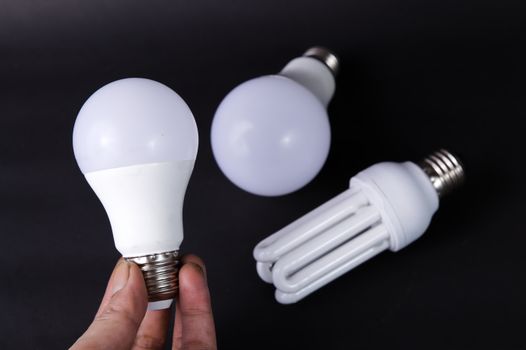
As the table illustrates, LEDs outperform older technologies in almost every category, making them the clear favorite for modern interiors.
Inspiring Ideas for Using LED Lighting in Your Home
The creative potential of LED lighting is vast. Here are some inspiring ways homeowners and designers are incorporating LEDs into interior spaces:
1. $1 Installing LED strips along the perimeter of a dropped ceiling or behind wall molding creates an ethereal floating effect. This technique is increasingly popular in contemporary living rooms and bedrooms. 2. $1 Use LEDs behind mirrors, television units, or headboards to create a halo effect. This not only enhances visual interest but also reduces glare and eye strain. 3. $1 Adding LED strips beneath each step or along handrails ensures safety and adds a dramatic architectural touch, especially in dimly lit entryways. 4. $1 Custom-built furniture with embedded LEDs—such as lit shelves, display cases, or even beds—brings a futuristic feel to interiors. 5. $1 Translucent panels illuminated with color-changing LEDs can serve as room dividers, offering both privacy and a customizable focal point.A 2023 report by Grand View Research highlighted that the global LED lighting market size reached $77.8 billion, driven largely by residential and architectural applications—evidence of the widespread adoption of these innovative ideas.
Practical Tips for Maximizing LED Lighting in Interior Design
While the possibilities are endless, achieving the best results with LED lighting requires careful planning and attention to detail. Here are some practical tips to guide your design process:
- $1 Combine ambient, task, and accent lighting to create depth and flexibility. LEDs make it easy to layer different light sources for a balanced effect. - $1 Choose LEDs with a CRI of 80 or above to ensure colors in your space appear true and vibrant. - $1 Install dimmers or smart controls to adjust light levels for different activities—dinner parties, movie nights, or reading. - $1 Position LED strips so the light source is hidden, preventing glare and emphasizing architectural lines. - $1 Invest in reputable LED brands to avoid issues like flickering, color inconsistency, or premature failure.By following these guidelines, you can make the most of LEDs’ versatility while enhancing both aesthetics and function.
Future Trends: Where LED Lighting and Interior Design Are Heading
LED innovation continues to shape the future of interior design. Some emerging trends include:
- $1 Systems that mimic natural daylight cycles to support circadian rhythms and well-being. - $1 Integrating LEDs with eco-friendly fixtures, such as recycled plastics or sustainably sourced woods. - $1 LEDs are increasingly used in custom art pieces and interactive installations, blurring the line between lighting and sculpture. - $1 Advancements in wireless power may soon eliminate the need for visible cords, enabling even more creative freedom.Market research projects the global smart lighting market will exceed $27 billion by 2025, with LEDs at the core of these innovations.
Final Thoughts: The Transformative Power of LED Lighting in Interior Design
LED lighting is more than just an energy-efficient upgrade—it’s a powerful tool for interior designers and homeowners to shape space, mood, and functionality. With endless options for customization, color, and control, LEDs empower us to create interiors that reflect our personalities and adapt to our lifestyles. Whether you’re planning a dramatic renovation or a subtle refresh, embracing LED lighting can give your home a modern edge and enduring appeal.