The warm glow of modern lighting is everywhere. But as LED lights become the backbone of our homes, offices, and even our digital devices, a crucial question emerges: what do these lights mean for our sleep? Quality rest is fundamental to health, yet millions struggle with insomnia, restless nights, or chronic fatigue. Scientific research increasingly points to the impact of artificial lighting—especially LEDs—on our natural sleep cycles. This article explores the science behind how LED lights affect sleep quality, offering up-to-date insights, practical advice, and a deeper understanding of this hidden influence on our nightly rest.
The Science of Sleep: Understanding Circadian Rhythms and Light
To appreciate how LEDs impact sleep, it’s vital to understand the body’s circadian rhythm. This internal clock, located in the brain’s suprachiasmatic nucleus, governs our 24-hour sleep-wake cycle. It’s exquisitely sensitive to light, particularly the blue wavelengths that are abundant in natural daylight—and also in many LEDs.
When our eyes detect blue light, the brain interprets it as a signal to stay awake, suppressing the production of melatonin, the hormone responsible for making us feel sleepy. Studies have shown that exposure to blue light in the evening can delay the onset of sleep, reduce REM sleep, and disrupt the overall architecture of rest.
.png)
A pivotal 2014 study published in "Proceedings of the National Academy of Sciences" found that participants who read from light-emitting e-readers took an average of 10 minutes longer to fall asleep compared to those who read printed books, and they reported feeling less alert the next day. The culprit? The blue-rich light from LEDs in e-readers.
LED Lights: Spectrum, Intensity, and Human Biology
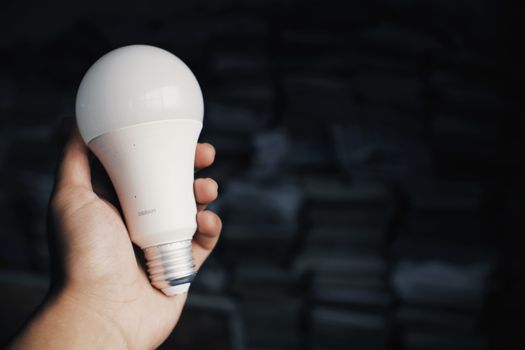
LEDs, or Light Emitting Diodes, are prized for their energy efficiency and long lifespan, but they emit a distinct light spectrum compared to older incandescent bulbs. Many common LEDs emit a strong blue-white light, typically in the 450-480 nanometer range—right where our circadian system is most sensitive.
According to research from Harvard Medical School, exposure to blue light at night can suppress melatonin production twice as much as green light and shift circadian rhythms by up to three hours. This means that using high-intensity, cool-white LEDs in the evening can significantly impact your ability to fall and stay asleep.
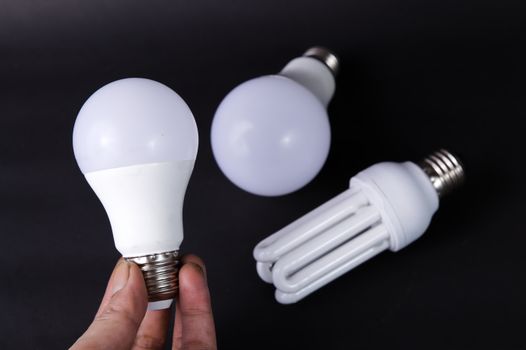
Not all LEDs are created equal, however. Some modern “warm white” LEDs are engineered to minimize blue light emissions. Below is a comparison table highlighting the differences between lighting sources:
| Light Source | Color Temperature (Kelvin) | Blue Light Emission | Impact on Melatonin |
|---|---|---|---|
| Incandescent Bulb | 2700K | Low | Minimal |
| Standard Cool-White LED | 4000K-6500K | High | Significant |
| Warm-White LED | 2700K-3000K | Moderate to Low | Reduced |
| Compact Fluorescent Lamp (CFL) | 2700K-6500K | Varies | Varies |
This table underscores the importance of not just the type of bulb, but its specific color temperature and spectrum.
LEDs and Everyday Life: Where Are We Most Exposed?
LEDs have infiltrated nearly every aspect of our daily environments. Beyond overhead lighting in homes and offices, LEDs are now standard in televisions, smartphones, tablets, computers, and even car displays. According to the International Energy Agency, as of 2022, LEDs make up over 50% of the global lighting market—a figure that continues to climb.
A 2017 survey by the National Sleep Foundation found that 90% of Americans use an electronic device with an LED screen within an hour of bedtime. This widespread exposure can have a cumulative effect. For example:
- Watching TV or using a tablet in bed floods the eyes with blue light, signaling the brain to stay awake. - Bright overhead LED lighting in the evening can delay melatonin onset, extending the time it takes to fall asleep. - Even brief periods of exposure (as little as 30 minutes) to blue-enriched LEDs before bed have been shown to suppress melatonin levels by up to 50%.The Health Consequences of Poor Sleep Linked to LED Exposure
The effects of LED-induced sleep disruption extend far beyond feeling groggy in the morning. Chronic sleep loss is linked to a host of health issues, including:
- Increased risk of obesity: A study published in "Sleep" (2015) found that people who regularly slept less than six hours were 30% more likely to become obese. - Impaired cognitive function: Poor sleep has been shown to impact memory, focus, and decision-making. - Higher chances of chronic diseases: Insufficient sleep is associated with elevated risks of heart disease, diabetes, and even certain cancers. - Mental health deterioration: Sleep deprivation exacerbates anxiety and depression, with one study in "The Lancet Psychiatry" (2017) reporting a 28% higher risk of mood disorders among poor sleepers.These findings emphasize the importance of managing artificial light exposure, particularly from LEDs, as part of a broader sleep hygiene strategy.
Practical Strategies: Minimizing the Sleep Disruption from LEDs
Fortunately, there are actionable steps you can take to safeguard your sleep while still enjoying the benefits of LED lighting. Here are science-backed recommendations:
1. Choose Warm-White LEDs for Evening Use Opt for bulbs labeled as “warm white” or with a color temperature of 2700K-3000K for bedrooms and living areas. These emit less blue light and are less likely to disrupt melatonin production. 2. Dim the Lights at Night Reduce overall light intensity in the hours before bed. Using dimmers or low-wattage lamps can make a significant difference, as lower light levels are less stimulating for the brain. 3. Limit Screen Time Before Bed Aim to avoid screens (phones, tablets, computers, TVs) at least 60 minutes before bedtime. If you can’t, use built-in “night mode” features or blue-light-blocking applications that shift the display to warmer hues. 4. Consider Blue Light Blocking Glasses Several studies, including a 2018 trial in "Journal of Adolescent Health," found that wearing glasses that block blue light in the evening can improve sleep quality and reduce the time it takes to fall asleep. 5. Get Morning Sunlight Exposure to natural light during the day helps reinforce your circadian rhythm, making you more resilient to artificial light disruptions at night.Recent Advances: Smart LEDs and Sleep-Friendly Tech
The lighting industry is responding to these concerns with new innovations. “Human-centric lighting” is a growing trend, where LEDs are designed to mimic the natural progression of sunlight. Some of the latest advancements include:
- Smart bulbs with adjustable color temperatures, allowing you to switch from cool-white (energizing) in the morning to warm-white (relaxing) in the evening. - Automated lighting systems that gradually dim and shift spectrum as bedtime approaches, supporting natural melatonin production. - LED screens with adaptive brightness and color filters that respond to ambient light.A 2021 market report estimated that the global human-centric lighting market will reach $5.8 billion by 2027, reflecting strong demand for sleep-friendly lighting solutions.
Rethinking Our Relationship with LED Lighting for Better Sleep
LED lights are here to stay. Their efficiency, durability, and versatility have revolutionized how we light our world. However, it’s clear from mounting scientific evidence that their blue-rich glow can unintentionally sabotage our sleep when used incorrectly—especially after sunset.
By understanding the science and making informed choices about the type, intensity, and timing of your LED exposure, you can harness the benefits of this technology without sacrificing your nightly rest. As our environments become ever more illuminated, taking a proactive approach to light hygiene may be one of the simplest, yet most powerful, ways to improve health and well-being.