Outdoor lighting does far more than simply illuminate your home’s exterior. The right LED lights can enhance safety, deter crime, highlight architectural features, and create a welcoming ambiance. As LED technology rapidly evolves, homeowners are faced with an impressive variety of products, each with unique benefits and considerations. So, how do you choose LED lights for exterior spaces to balance safety and design? Let’s explore the essential factors, options, and expert advice to help you make an informed decision.
The Importance of Outdoor LED Lighting: Beyond Aesthetics
Outdoor lighting is not just about curb appeal—it’s a crucial component of home safety and functionality. According to the U.S. Department of Justice, homes with effective exterior lighting are up to 39% less likely to be targeted by intruders. Well-placed LED lights can illuminate walkways, deter trespassers, and reduce the risk of accidents.
But safety is only part of the story. Today’s LED outdoor lighting systems are designed to blend seamlessly with landscaping and architectural styles, offering options for every taste and need. From subtle pathway markers to dramatic wall washes, the choices are endless.
.png)
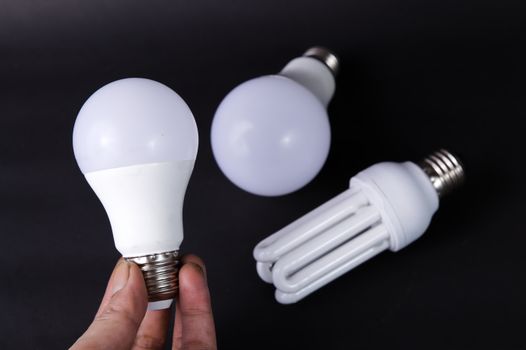
Moreover, LEDs are energy-efficient, using up to 75% less energy and lasting 25 times longer than traditional incandescent bulbs. This translates to significant cost savings and lower maintenance over time.
Key Factors to Consider When Choosing Exterior LED Lights
Choosing the right outdoor LED lights involves more than picking a fixture that looks good. Here are the key criteria to evaluate:
1. $1: The brightness of LEDs is measured in lumens. For exterior safety, pathways typically require 100-200 lumens, while floodlights for security may need 700-1300 lumens or more. The wattage tells you how much energy the fixture uses—always opt for LEDs with high lumens but low wattage for efficiency. 2. $1: This affects the ambiance of your outdoor space. Measured in Kelvins (K), a warm white (2700K-3000K) creates a cozy, welcoming glow, while cool white (4000K-5000K) provides crisp, bright illumination ideal for security and visibility. 3. $1: The beam angle determines how wide the light spreads. A narrow beam (15°-30°) highlights features like statues or trees, while a wide beam (60°-120°) is better for general area lighting. 4. $1: Outdoor fixtures must withstand sun, rain, snow, and dust. Look for products with a high Ingress Protection (IP) rating—IP65 or above is ideal for exposed areas. 5. $1: Many modern LEDs come with motion sensors, dusk-to-dawn photocells, and smartphone connectivity. These features enhance security, convenience, and energy savings.Balancing Safety and Style: Types of Outdoor LED Fixtures
Not all LEDs are created equal, especially for outdoor spaces. Understanding the main categories will help you choose the right fixtures for each zone around your home:
- $1: Low-profile LEDs installed along walkways, driveways, or garden paths. They prevent tripping hazards and define boundaries. - $1: High-output fixtures designed to light up large areas, entrances, or driveways. Motion-activated floodlights are particularly effective for deterring intruders. - $1: Mounted on exterior walls, these fixtures provide ambient or accent lighting near doors, patios, and garages. - $1: Installed flush with driveways or patios, these are excellent for uplighting trees or architectural features without visible fixtures. - $1: Decorative options that add charm to outdoor living areas while providing functional illumination.Each type serves a distinct purpose, and combining several can create a layered lighting plan that maximizes both safety and visual appeal.
Comparing Outdoor LED Lighting Options
To help you navigate your options, here’s a comparative overview of popular outdoor LED lighting types, focusing on their key features, typical brightness, and best-use scenarios:
| Type | Typical Lumens | IP Rating | Best Uses | Special Features |
|---|---|---|---|---|
| Pathway Lights | 100-200 | IP44 - IP65 | Walkways, gardens | Solar options, low voltage |
| Floodlights | 700-2000 | IP65 - IP67 | Security, driveways, backyards | Motion sensors, adjustable beams |
| Wall Lights | 250-800 | IP54 - IP65 | Entrances, patios | Up/down lighting, dusk-to-dawn |
| In-Ground Lights | 200-600 | IP67 - IP68 | Driveways, trees, facades | Load-bearing, waterproof |
| Bollard Lights | 300-600 | IP54 - IP65 | Paths, landscapes | Decorative, directional |
| String Lights | Varies | IP44 - IP65 | Patios, decks, pergolas | Flexible layouts, color-changing |
Energy Efficiency and Environmental Benefits of LED Outdoor Lighting
Sustainability is a key reason many homeowners are switching to LED lighting. According to the U.S. Department of Energy, widespread use of LED lighting in the United States could save about 348 terawatt-hours of electricity by 2027—equivalent to the annual output of 44 large power plants and a savings of more than $30 billion at today’s electricity prices.
LEDs not only consume less energy, but they also contain no mercury or hazardous materials. Their long lifespan (often 25,000-50,000 hours) means fewer replacements and less waste going to landfills. Some manufacturers even offer fully recyclable fixtures or biodegradable components.
When choosing outdoor LEDs for maximum efficiency, look for the ENERGY STAR label or similar certifications. These products meet strict guidelines for performance and durability, ensuring you get the most savings and environmental benefit.
Design Tips: Creating a Cohesive and Safe Outdoor Lighting Plan
A successful outdoor lighting design blends practical safety with creative flair. Here are tips for achieving the perfect balance:
- $1: Combine ambient, task, and accent lighting. For example, use floodlights for general security, pathway lights for navigation, and spotlights to highlight trees or sculptures. - $1: Properly light all entrances, including front doors, side gates, and garage doors. This not only welcomes guests but also deters unwanted visitors. - $1: Use fixtures with shields or downward-facing beams to avoid glare and minimize light spilling into neighbors’ yards or the night sky. The International Dark-Sky Association recommends luminaire cutoff angles and lower color temperatures to preserve nocturnal environments. - $1: Timers, motion sensors, and smartphone apps allow you to control lighting schedules, save energy, and monitor your property remotely. - $1: Match materials and styles to your home’s exterior. For example, modern stainless steel lights suit contemporary homes, while bronze or copper finishes pair well with traditional facades. - $1: Temporarily place lights and view them at night to ensure they provide the desired effect and coverage. Adjust placement as needed before final installation.Maintenance and Longevity: Ensuring Your Outdoor LEDs Go the Distance
Even though LEDs are renowned for their durability, outdoor environments can be tough on any fixture. Here’s how to keep your exterior LED lights shining bright for years:
- $1: Dirt, dust, and insects can reduce brightness. Clean with a damp cloth every few months. - $1: Inspect seals and gaskets, especially after heavy storms. Replace any compromised components to maintain IP ratings. - $1: If a light starts flickering or fails, the issue is often with the driver or transformer, not the LED itself. - $1: Plants can block light output or cause overheating if they grow too close to fixtures. - $1: LED technology improves rapidly. Upgrading older bulbs or fixtures can enhance performance and efficiency.According to a 2023 industry survey, more than 85% of homeowners reported no major issues with their outdoor LED lighting after three years, provided they followed basic maintenance routines.
Smart Investments: Cost vs. Value in Outdoor LED Lighting
While LED fixtures may have a higher upfront cost than traditional bulbs, their longevity and efficiency make them a smart investment. A typical LED outdoor fixture costs between $30 and $150, depending on features and design. However, with energy savings averaging $75 per year for a well-lit home exterior, most homeowners recoup their investment within two to three years.
In addition, high-quality lighting can increase property value. A 2022 National Association of Realtors survey found that professionally designed exterior lighting yields an average 50% return on investment when selling a home.
Final Thoughts on Choosing LED Lights for Safe and Stylish Outdoor Spaces
Selecting LED lighting for your home’s exterior is about much more than appearance. The right fixtures improve safety, boost energy efficiency, and elevate your home’s nighttime charm. By considering brightness, color temperature, IP ratings, and design, you can create a lighting plan that meets your practical needs and personal style. Don’t forget to take advantage of smart controls and energy-saving features for maximum value and peace of mind. With a little planning, your outdoor spaces can be safe, beautiful, and brilliantly lit for years to come.