LED Technology: Redefining Event Lighting for the Modern Era
Event lighting has always played a crucial role in shaping atmosphere, setting a mood, and ensuring that every detail gets the attention it deserves. In recent years, LED technology has emerged as the game changer for event planners, production designers, and venue managers across the globe. From dazzling weddings and corporate conferences to immersive concerts and vibrant festivals, LED lighting is rewriting the rules of what’s possible. But why are LED lights becoming the go-to solution for events both big and small? Let’s explore how LEDs are redefining the world of event lighting, shedding light on the technologies, benefits, and trends that are transforming the industry.
The Evolution of Event Lighting: From Incandescents to LEDs
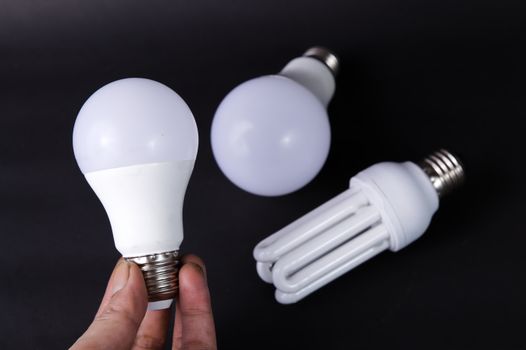
For decades, traditional event lighting relied on incandescent and halogen bulbs. These fixtures, while effective, had significant drawbacks—high energy consumption, excessive heat output, and limited color versatility. According to the U.S. Department of Energy, incandescent bulbs convert less than 10% of their energy into visible light, wasting the rest as heat. This inefficiency, combined with short lifespans (typically 1,000 hours), made them costly and cumbersome for frequent event use.
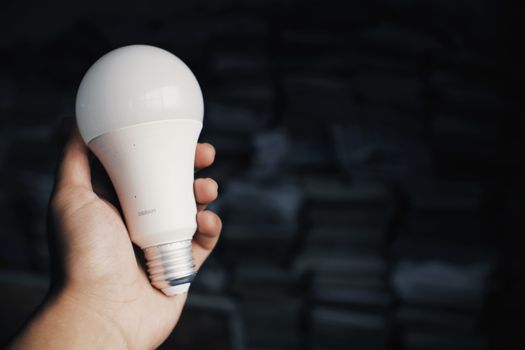
The introduction of LED (Light Emitting Diode) technology has revolutionized this landscape. LEDs consume up to 75% less energy than incandescents and can last more than 25,000 hours—over 25 times longer. Importantly, LEDs are compact, durable, and available in a staggering range of colors and intensities. These features have opened up creative possibilities that were once thought impossible, making LED lighting the new standard for events.
.png)
Creative Possibilities: Transforming Spaces with LEDs
One of the most exciting aspects of LED technology in event lighting is its ability to completely transform spaces. Unlike fixed-color bulbs, LED fixtures can be programmed to emit virtually any color, shift hues dynamically, and respond to music or movement. This opens up a world of creative opportunities for event designers:
- Dynamic Color Changing: Using DMX controllers, LED lights can shift smoothly from one color to another, enabling mood transitions throughout an event. For example, a gala dinner might begin with soft ambers and transition to vibrant purples for dancing. - Pixel Mapping: Advanced LED arrays can be mapped to display logos, animations, or even video content across walls, ceilings, or custom installations. This is especially popular at product launches and large-scale concerts. - Immersive Environments: LED strips and panels can be integrated into stage sets, architectural features, or even furniture, creating interactive environments that captivate guests.A standout example: At the 2022 Coachella Valley Music and Arts Festival, over 1,000 LED fixtures were used to create breathtaking stage effects, synchronized with live performances and crowd movements. This level of interactivity and immersion simply isn’t possible with legacy lighting systems.
Efficiency and Sustainability: The Green Edge of LED Event Lighting
Sustainability is a growing priority for event organizers, especially as venues and clients seek to reduce their carbon footprint. LED lighting is a powerful tool in this mission. Here are some key statistics:
- Energy Use: The U.S. Environmental Protection Agency reports that switching to LED lighting can reduce event lighting energy consumption by up to 80%. - CO2 Emissions: For a large event using 500 fixtures, replacing traditional bulbs with LEDs can prevent over 10 metric tons of CO2 emissions annually. - Heat Reduction: LEDs generate far less heat than incandescents, reducing the need for air conditioning and improving guest comfort.Not only does this mean lower operational costs, but it also allows for compliance with stricter environmental regulations—a growing concern for venues in cities like New York and San Francisco. Additionally, the long lifespan of LEDs means fewer replacements and less waste, further supporting sustainability goals.
Technological Innovations: Smart LEDs and Wireless Control
The latest generation of LED event lighting goes far beyond basic bulbs and fixtures. Smart LEDs have integrated microprocessors and wireless connectivity, allowing for unprecedented control and flexibility:
- Wireless DMX Control: LED lights can be controlled remotely from tablets or smartphones, enabling real-time changes to color, brightness, and effects across an entire venue. - Battery-Powered Fixtures: Cordless LED uplights and spotlights eliminate the need for extensive cabling, making setup faster and safer, especially in historic or outdoor locations. - App Integration: Many LED systems now integrate with event management apps, allowing clients to preview lighting designs in 3D and make adjustments on the fly.For example, the 2023 Consumer Electronics Show in Las Vegas used over 2,000 wireless LED fixtures to illuminate exhibits, stages, and walkways, all controlled from a centralized lighting console. This not only streamlined logistics but also enabled rapid adaptation as event needs changed.
Cost Comparison: LED vs. Traditional Event Lighting
While the upfront investment in LED fixtures can be higher than traditional lights, the long-term savings are substantial. The table below highlights a typical cost comparison for a medium-sized event using 100 fixtures over a 5-year period.
| Lighting Type | Initial Fixture Cost (per unit) | Energy Use per Event (kWh) | Lifespan (hours) | Total 5-Year Cost (Fixtures + Energy) |
|---|---|---|---|---|
| Incandescent | $15 | 1,000 | 1,000 | $19,500 |
| Halogen | $30 | 700 | 2,000 | $15,200 |
| LED | $50 | 200 | 25,000 | $8,500 |
As shown, LED lighting can reduce total costs by more than 50% over five years, factoring in both fixture replacement and energy consumption.
Accessibility and Safety: LED Benefits for All Events
LED event lighting isn’t just about dazzling effects and cost savings—it also improves accessibility and safety. Traditional lighting can create hazards with hot surfaces, bulky equipment, and tangled cables. LEDs are cool to the touch, lightweight, and available in compact, portable designs.
For outdoor events, waterproof LED fixtures are now standard, allowing for dramatic lighting even in challenging weather. Battery-powered LEDs eliminate trip hazards from cords, and their low voltage minimizes electrical risks.
Additionally, LEDs can enhance accessibility for attendees with visual sensitivities. Smart dimming and adjustable color temperatures make it possible to tailor lighting for comfort and inclusivity, such as reducing blue light during certain portions of an event.
The Future of Event Lighting: What’s Next for LEDs?
LED technology continues to advance rapidly, promising even more dramatic changes in the years ahead. Key trends to watch include:
- Micro-LEDs: Ultra-small LEDs enable high-resolution displays and intricate effects, perfect for immersive installations and interactive environments. - IoT Integration: Event lighting systems are increasingly connected to broader venue management platforms, enabling data-driven optimization of lighting, HVAC, and more. - Sustainable Materials: Manufacturers are developing LED fixtures with recycled and biodegradable components, further enhancing their green credentials.In 2023, the global LED lighting market for events was valued at over $1.2 billion and is projected to grow at a compound annual growth rate (CAGR) of 7.5% through 2028. This surge reflects the ongoing shift to smarter, greener, and more creative event experiences.
Final Thoughts: LED Technology’s Impact on the Event Industry
LED technology has truly redefined event lighting, offering a powerful combination of creativity, sustainability, efficiency, and safety. Whether you’re planning an intimate wedding or a stadium-scale concert, LEDs provide the flexibility and performance to bring any vision to life. As technology continues to evolve, event professionals and attendees alike can look forward to even more stunning, sustainable, and accessible lighting experiences in the years to come.