The Impact of LED Technology on Solar Power: A Modern Energy Synergy
The global shift toward sustainable energy is more than a trend—it’s a necessity. As the world grapples with climate change and the finite nature of fossil fuels, solar power has emerged as a frontrunner in clean energy solutions. Simultaneously, LED (Light Emitting Diode) technology has revolutionized lighting, offering dramatically higher efficiency compared to traditional lighting methods. When combined, LED and solar technologies create a powerful synergy that transforms the way we generate, store, and utilize energy. This article explores the multifaceted impact of LED technology on solar power, revealing how their integration is shaping a cleaner, brighter, and more efficient future.
The Evolution of LED and Solar Technologies
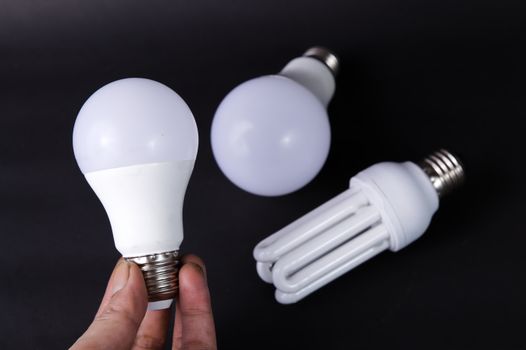
Over the past two decades, both LED and solar technologies have experienced exponential advancements. LEDs, first developed in the 1960s, now offer up to 90% greater efficiency than incandescent bulbs. Their long lifespans—often 25,000 hours or more—and minimal energy requirements have made them the gold standard in lighting.
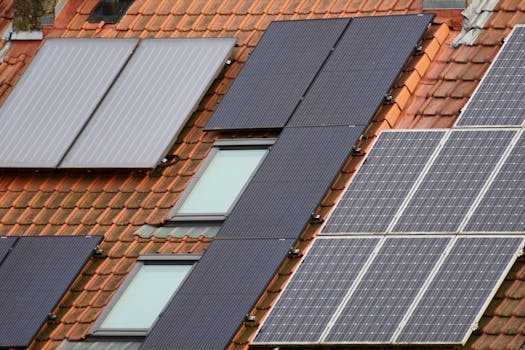
Meanwhile, solar photovoltaic (PV) panels have seen costs plummet by more than 80% since 2010, according to the International Renewable Energy Agency (IRENA). The efficiency of commercial solar panels has also improved, with leading models converting up to 22% of sunlight into electricity compared to less than 15% in the early 2000s.
.png)
The convergence of these breakthroughs has opened new frontiers in sustainable energy systems, particularly in off-grid and remote applications where reliability, durability, and efficiency are paramount.
How LED Technology Amplifies Solar Power Efficiency
One of the most significant impacts of LED technology on solar power is its ability to maximize the utility of every watt generated. Traditional lighting, such as incandescent and fluorescent bulbs, consume far more power to deliver the same amount of light as LEDs. For example, a standard 60-watt incandescent bulb can be replaced with a 10-watt LED to achieve equal brightness (around 800 lumens).
This drastic reduction in energy demand means that a solar panel system paired with LED lighting can illuminate significantly larger areas or run for longer periods on the same amount of stored solar energy. For off-grid solar lighting—used in streetlights, rural homes, or emergency systems—this efficiency is transformative.
According to the U.S. Department of Energy, switching to LED lighting in solar-powered systems can reduce overall energy consumption by up to 75%. This directly translates to smaller, less expensive solar arrays and batteries, lowering both initial investment and ongoing maintenance costs.
Enabling Off-Grid Solutions and Energy Access
LED technology has been a game-changer for solar-powered off-grid lighting, particularly in developing regions. Prior to the adoption of LEDs, solar home systems required large panels and batteries to power inefficient incandescent or CFL bulbs. Now, compact solar kits featuring LEDs provide reliable lighting for millions of households without access to the electrical grid.
According to the International Energy Agency (IEA), over 1 billion people worldwide still lack reliable electricity. Solar-LED solutions offer a lifeline: a single small solar panel (just 10-20 watts) and a rechargeable battery can power LED lights for an entire night—something that would be impossible with traditional bulbs.
Impact statistics show the scale of this transformation: - The Global Off-Grid Lighting Association (GOGLA) reports that, as of 2023, over 150 million people have gained access to first-time electric light through solar-LED products. - In rural Africa and Asia, solar-LED kits have improved study conditions for more than 50 million children and reduced household spending on kerosene by up to $200 per year.Solar Street Lighting: A Case Study in Urban Transformation
Cities and municipalities worldwide are embracing solar-powered LED streetlights as a cost-effective, low-maintenance solution for urban lighting. Traditional streetlights typically rely on high-pressure sodium or metal halide lamps, which are not only energy-hungry but also require frequent replacements.
Solar-LED streetlights operate independently of the grid, using built-in solar panels and batteries to provide illumination throughout the night. Their efficiency enables smaller batteries and panels, reducing installation costs and environmental footprint.
A comparative look at traditional vs. solar-LED street lighting highlights the advantages:
| Feature | Traditional Streetlights | Solar-LED Streetlights |
|---|---|---|
| Average Power Consumption per Light | 150-400 Watts | 20-60 Watts |
| Operational Cost (per light/year) | $70-$120 | $10-$20 |
| Maintenance Interval | 12-24 months | 5-7 years |
| Installation Complexity | Requires grid connection | Off-grid, flexible placement |
| CO2 Emissions | High | Zero (during operation) |
The city of Los Angeles, for example, has converted over 200,000 streetlights to LEDs, saving more than $9 million annually in energy and maintenance costs and reducing carbon emissions by 47,000 metric tons each year.
The Role of LEDs in Solar Microgrids and Smart Energy Systems
Modern energy systems increasingly rely on microgrids—localized grids that can operate independently of the larger network. Solar-powered microgrids, often used in remote communities or as emergency backups, benefit greatly from the efficiency of LED lighting.
LEDs not only reduce the size and cost of the necessary solar arrays and battery banks but also integrate seamlessly with smart controls. Advanced LED systems can be dimmed, timed, or remotely managed to optimize energy use based on real-time demand and available solar generation.
For example, in India’s rural regions, solar-powered microgrids with LED lighting have enabled over 700 villages to achieve energy independence, improving safety, productivity, and quality of life.
Environmental and Economic Benefits of the LED-Solar Combination
The joint use of LED and solar technology delivers both environmental and economic advantages:
- Energy Savings: LEDs use 75-80% less electricity than traditional bulbs. When powered by solar, they further reduce demand on fossil fuel power plants. - Reduced Emissions: Every kilowatt-hour of solar-powered LED lighting prevents approximately 0.92 kg of CO2 emissions (U.S. EPA estimate). - Lower Operating Costs: Municipalities and businesses switching to solar-LED systems can achieve payback periods as short as 3-5 years due to drastic reductions in energy and maintenance expenses. - Waste Reduction: LEDs last up to 25 times longer than incandescent bulbs, significantly cutting down on landfill waste from burned-out lamps. - Health and Safety: LED lighting eliminates the need for kerosene lamps—a major source of indoor air pollution and fire risk in off-grid communities.A 2022 study by McKinsey & Company found that widespread adoption of LED lighting, especially when paired with renewable energy sources like solar, could reduce global electricity demand for lighting by 40% by 2030.
Challenges and Future Directions for LED and Solar Integration
While the benefits are compelling, some challenges remain. The initial cost of solar-LED systems can be a barrier in low-income regions, despite long-term savings. Battery technology, though improving, still limits the amount of stored solar energy, especially during cloudy periods or prolonged rainy seasons.
On the technology frontier, research is focused on further improving LED efficiency—laboratory prototypes have already surpassed 60% efficacy, hinting at even greater savings ahead. Meanwhile, innovations in solar PV materials and energy storage (such as lithium-ion and solid-state batteries) promise to make integrated systems more affordable and robust.
Emerging trends include: - Hybrid solar-LED applications (e.g., integrated solar panels in LED lamp housings) - Smart city lighting with adaptive brightness and energy monitoring - Expanded use in agriculture (solar-powered LED grow lights) - Modular microgrid kits for disaster relief and rapid deploymentFinal Thoughts on the Impact of LED Technology on Solar Power
The partnership between LED technology and solar power is reshaping how individuals, communities, and cities approach energy efficiency and sustainability. Their combined impact is evident in reduced energy costs, lower emissions, and expanded access to reliable lighting—even in the most remote corners of the world. As both technologies continue to advance, their integration will play an increasingly vital role in the global transition to a cleaner, more resilient energy future.