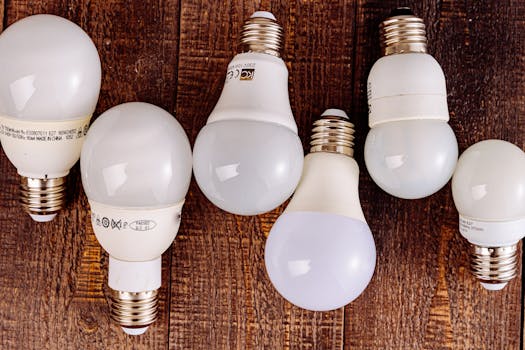
Thinking about upgrading your home’s lighting? LED lighting is the modern choice for efficiency, longevity, and design flexibility. Yet, many homeowners aren’t quite sure how to tackle installation themselves. Whether you’re aiming to reduce your energy bill, modernize your decor, or simply get better light in the right places, understanding the right way to install LED lights makes all the difference. This step-by-step guide walks you through the process, addresses common mistakes, and helps you make smart choices about products and placement—ensuring your home shines bright and beautiful.
The Benefits of Switching to LED Lighting at Home
Before diving into the installation process, it’s important to understand why so many homeowners are choosing LEDs over traditional lighting. The advantages go far beyond just saving on your electricity bill.
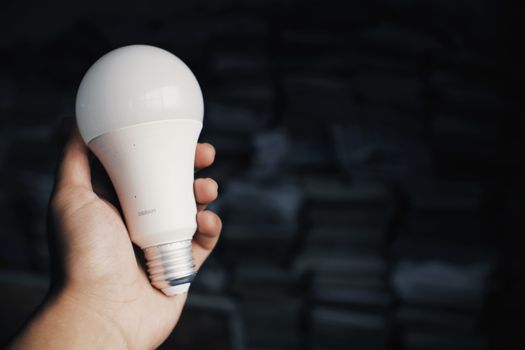
LEDs consume up to 85% less energy than incandescent bulbs and last up to 25 times longer, according to the U.S. Department of Energy. For example, an average LED bulb uses just 8-10 watts to produce the same brightness as a 60-watt incandescent bulb. This translates into real savings: the average home can save up to $225 a year by replacing traditional bulbs with LEDs.
.png)
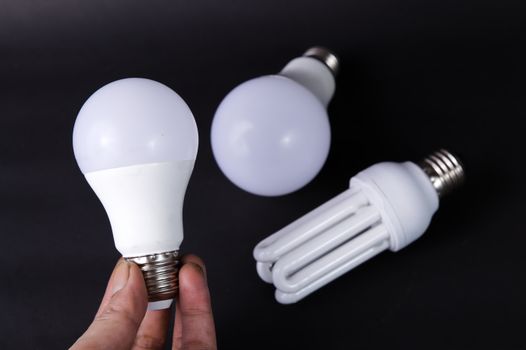
LEDs also offer instant-on brightness, a wide range of color temperatures (from warm to cool white), and excellent compatibility with smart home systems. Unlike compact fluorescent lamps (CFLs), LEDs contain no mercury and are more robust against shocks and vibrations.
Planning Your LED Lighting Layout: Placement Matters
Proper installation starts with smart planning. The right layout ensures your new LEDs will perform at their best, improving both functionality and aesthetics.
Begin by mapping out areas that need lighting enhancement. Kitchens benefit from bright, even illumination, while living rooms often need layered lighting for flexibility. Consider the following factors:
- Task Lighting: Areas like countertops, desks, and reading nooks benefit from focused light. - Accent Lighting: Use LED strips or spotlights to highlight artwork, shelves, or architectural features. - Ambient Lighting: General overhead fixtures or recessed LEDs provide all-around light.Take into account ceiling height, room size, and wall color. For example, darker walls absorb more light, so you may need brighter or additional fixtures. It’s also important to consider the Color Rendering Index (CRI) of your LEDs—a CRI of 80 or higher ensures colors appear vivid and natural.
Choosing the Right LED Products: Types and Features
The LED market offers a dizzying array of options. Picking the right type for your application is crucial for optimal performance and satisfaction. Here’s a quick comparison of common LED products:
| LED Type | Best For | Typical Lifespan (hours) | Energy Use (watts) | Key Features |
|---|---|---|---|---|
| LED Bulbs (A19, A21) | General room lighting | 15,000-25,000 | 6-12 | Easy retrofit, dimmable options |
| LED Downlights/Recessed | Kitchens, bathrooms, hallways | 25,000-50,000 | 8-15 | Streamlined look, wide beam |
| LED Strip Lights | Accent, under-cabinet, shelves | 20,000-30,000 | 4-24 (per meter) | Flexible, color-changing options |
| LED Panels | Offices, modern living areas | 30,000-50,000 | 24-40 | Sleek, even light, low profile |
When shopping, also consider:
- Color Temperature: 2700K-3000K for warm white (cozy), 4000K for neutral, 5000K-6500K for cool daylight (energizing). - Dimming Compatibility: Not all LEDs are dimmable—check packaging and ensure your dimmer switch is compatible. - Smart Features: Some LEDs connect to Wi-Fi or Bluetooth for remote control and automation.Step-by-Step Guide: How to Install LED Lighting Safely
Now, let’s get hands-on. While many LED products are designed for easy DIY installation, safety and attention to detail are essential.
1. Turn Off Power Always switch off power at the circuit breaker before starting any electrical work. Double-check with a voltage tester to confirm. 2. Remove Old Fixtures Unscrew and disconnect your existing light fixture. If installing a new fixture, ensure the electrical box is rated for the weight and type of your new LED fitting. 3. Prepare the Wiring Inspect wires for wear or damage. Use wire strippers to cleanly expose 1/2 inch of copper if needed. Connect the wires: black (hot) to black, white (neutral) to white, and green or bare copper (ground) to the ground screw or wire. 4. Mount the LED Fixture Follow manufacturer instructions. For LED bulbs, simply screw them in. For fixtures (like recessed or panel lights), secure mounting brackets or clips first. For LED strips, clean surfaces thoroughly and use the adhesive backing or mounting hardware provided. 5. Connect and Test Restore power. Turn on your new LED light to check for proper operation. For dimmable lights, test with your dimmer switch to ensure smooth performance. 6. Fine-Tune Placement For accent lighting, such as LED strips under cabinets, experiment with positioning to minimize hot spots or shadows. Adjust as needed before final mounting.If you’re unsure about any step involving wiring or if your home’s wiring is outdated, consult a licensed electrician. According to the National Fire Protection Association, electrical distribution is the third leading cause of home fires—don’t take risks with safety.
Troubleshooting Common LED Installation Issues
Even with the best planning, issues sometimes arise. Here are frequent LED installation problems and how to resolve them:
- Flickering Lights: Often caused by incompatible dimmer switches or fluctuating voltage. Use dimmers labeled “LED-compatible” and avoid overloading circuits. - Buzzing Sounds: Cheap or low-quality LEDs can emit a hum, especially when used with old dimmers. Choose reputable brands with good reviews. - Uneven Brightness: Ensure all LED strips have consistent voltage. Use recommended power supplies and avoid running strips longer than manufacturer guidelines for a single power source. - Lights Not Turning On: Double-check wiring connections. For plug-in fixtures, verify that outlets are live. For hardwired installations, confirm circuit breakers are on.Statistics from the American Lighting Association show that up to 20% of DIY lighting installations require some troubleshooting—being prepared will save you time and frustration.
Enhancing Your Home with Advanced LED Features
Modern LED lighting isn’t just about efficiency—it’s about customization and control. Here’s how to take your installation to the next level:
1. Smart Home Integration Many LEDs now work with Amazon Alexa, Google Home, or Apple HomeKit. Wi-Fi or Bluetooth-enabled bulbs can be controlled with your voice or smartphone, allowing you to set schedules, change colors, or dim lights remotely. According to Statista, over 60 million U.S. homes used smart lighting systems in 2023—a trend on the rise. 2. Tunable White and Color-Changing LEDs Tunable white LEDs let you adjust the warmth or coolness of your lighting throughout the day, supporting circadian rhythms and mood. RGB LEDs offer millions of color options for dramatic accent lighting in living rooms, bedrooms, or entertainment areas. 3. Motion Sensors and Automation Upgrade hallways, closets, or outdoor areas with motion-activated LED lights for hands-free convenience and improved security. These can reduce energy consumption by up to 30% compared to manually operated lights. 4. Energy Monitoring Some smart LED systems offer real-time energy usage tracking, helping you identify further opportunities for savings.Final Thoughts on Installing LED Lighting in Your Home
Properly installed LED lighting transforms your home—offering brighter, more flexible, and energy-efficient illumination that can be tailored to any setting. By planning your layout, selecting the right products, and following step-by-step installation procedures, you can achieve professional-quality results with lasting benefits. Remember, safety is paramount when working with electricity, and advanced features like smart controls and tunable colors can further enhance your living space. Embrace the possibilities of LED technology and enjoy a brighter, more efficient home.