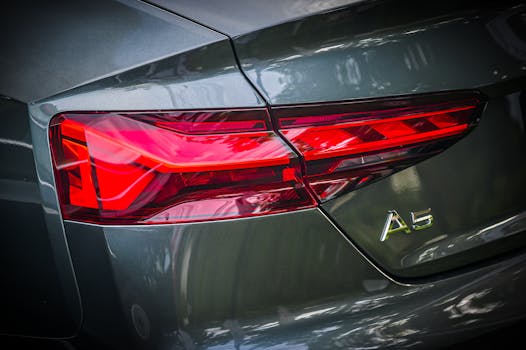
LED Technology in the Automotive Industry: A Bright Future
In recent years, Light Emitting Diode (LED) technology has revolutionized the automotive industry. This innovative lighting solution is not only energy-efficient but also offers superior performance compared to traditional halogen and xenon headlights. As automotive manufacturers continually strive for improvements in safety, efficiency, and aesthetics, LED technology is increasingly becoming a cornerstone in vehicle design and functionality.
What is LED Technology?
.png)
LED stands for Light Emitting Diode, a semiconductor device that emits light when an electric current passes through it. Unlike traditional incandescent bulbs that produce light by heating a filament, LEDs create light through electroluminescence — a phenomenon where materials emit light in response to an electric current or field. This fundamental difference not only makes LEDs more efficient but also allows for greater control over the light output.
Advantages of LED Lights in the Automotive Industry
- Energy Efficiency
LEDs consume significantly less power than traditional automotive lights. This reduction in energy use is crucial as the industry moves towards electric vehicles (EVs), where battery life and efficiency are paramount. By conserving energy on lighting, more power can be dedicated to the vehicle's range.
- Longevity
LED lights have a remarkably long service life. They can last up to 25,000 hours, which is considerably longer than the lifespan of halogen or xenon lights. This longevity reduces the need for frequent replacements, thereby decreasing maintenance costs and waste.
- Improved Visibility
LEDs provide brighter and crisper lighting, which can be directed with greater precision. This quality is vital for automotive applications as it improves visibility for drivers, particularly in adverse weather conditions or at night, thereby enhancing safety.
- Versatility in Design
The compact size of LEDs allows automotive designers more flexibility in terms of vehicle aesthetics. This adaptability has led to the development of distinctive, stylish headlight designs that can serve as a brand identifier for manufacturers.
- Instant Illumination
LEDs can light up instantaneously to their full brightness, offering an immediate response compared to the gradual illumination of traditional bulbs. This feature is essential for brake lights and turn signals, as it provides quicker alerts to other road users, potentially preventing accidents.
Integration of LEDs in Automotive Systems
Beyond headlights, LED technology is integrated into various automotive systems, enhancing functionality and user experience. Here are a few examples:
Interior Lighting
LEDs are used extensively in the interior of vehicles for dashboard lighting, ambient lighting, and controls. They offer adjustable brightness and color settings, improving both aesthetics and visibility inside the vehicle.
Signal Lighting
LEDs are ideal for use in signal lights, including turn signals, stop lights, and emergency signals. Their ability to switch on and off rapidly makes them highly effective for such applications.
Daytime Running Lights (DRL)
Many modern vehicles feature LED daytime running lights, which help improve the visibility of the vehicle during the day. This feature not only enhances safety but also adds to the vehicle’s aesthetic appeal.
Challenges and Future Prospects
Despite their numerous benefits, there are challenges to the widespread adoption of LED technology in the automotive sector. The initial cost of LED lighting systems is higher than that of traditional systems, though prices are decreasing as the technology matures and production scales.
Looking ahead, the future of LED technology in the automotive industry appears bright. Ongoing advancements are likely to produce even more efficient and cost-effective LED solutions. Additionally, the rise of autonomous vehicles presents new opportunities for LED technology, particularly in enhancing sensor visibility and vehicle-to-vehicle communication.
In conclusion, as the automotive industry continues to evolve, LED technology is set to play an increasingly important role. Its benefits of efficiency, longevity, improved visibility, and design flexibility make it a key player in the future of automotive design and safety. As we move towards a more sustainable and technologically advanced future, LED technology will undoubtedly be at the forefront of automotive innovations.