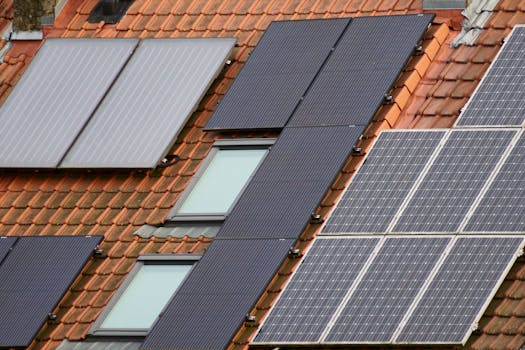
The integration of LED technology into solar power systems represents a significant stride forward in the renewable energy landscape. By harnessing the strengths of both solar power and LED lighting, this synergy not only enhances energy efficiency but also broadens the utility of solar energy across various environments. This article delves into the role of LED technology in solar power systems, highlighting its benefits and exploring potential future advancements.
Understanding LED Technology in Solar Power Systems
Light Emitting Diodes (LEDs) are renowned for their efficiency and longevity, outperforming traditional lighting options such as incandescent and fluorescent bulbs. In solar power systems, LEDs are powered by electricity generated from solar energy, providing a sustainable lighting solution that maximizes the utility of harvested solar power.
.png)
Benefits of Integrating LED Technology with Solar Power
- Increased Energy Efficiency
LEDs consume significantly less power compared to traditional lighting systems. This feature is particularly valuable in solar power systems where electricity generation is contingent upon variables like sunlight availability and panel efficiency. LEDs help ensure that the electricity produced is utilized effectively, minimizing waste and enhancing the system’s overall efficiency.
- Durability and Longevity
LEDs typically boast a lifespan of up to 25,000 hours or more, which surpasses that of conventional bulbs. This longevity is especially beneficial for solar power systems in remote or difficult-to-access areas where frequent bulb replacement is unfeasible. The durable nature of LEDs complements the sustainable and maintenance-free characteristics of solar power systems.
- Environmental Benefits
Unlike fluorescent lamps, LEDs do not contain hazardous materials such as mercury. This absence makes LEDs safer for the environment and simplifies disposal processes at the end of their lifecycle. Furthermore, the reduced energy consumption of LEDs lowers the carbon footprint of lighting systems when combined with solar power.
- Design and Application Flexibility
LED technology enhances the versatility of solar lighting systems. Solar-powered LED lighting can be implemented in applications ranging from street lighting and residential outdoor lighting to portable lanterns for camping and emergency use. This adaptability facilitates reliable lighting solutions in areas devoid of conventional electrical grid access, fostering energy independence and sustainability.
Future Directions
Advancements continue to emerge in both LED and solar panel technologies, promising even greater efficiencies and broader applications. Researchers are focused on enhancing solar panel efficiency and LED light output. Potential future innovations might include the integration of smart technology into solar-powered LED systems for automated lighting adjustments based on environmental conditions or occupancy, optimizing energy use further.
Additionally, the declining costs of solar panels and LED technologies are making solar-powered LED systems more accessible to a wider audience. This trend is expected to persist, potentially increasing the adoption of this sustainable technology across both developed and developing regions.
Conclusion
The integration of LED technology into solar power systems presents numerous advantages, such as improved energy efficiency, extended lifespan, environmental safety, and flexible design options. As technological advancements continue, we can anticipate even more innovative applications of solar-powered LEDs, contributing to a more sustainable and energy-efficient future. This integration supports not only environmental objectives but also offers practical, cost-effective lighting solutions for a variety of settings.