The world is waking up to the urgent need for sustainable solutions that can help mitigate climate change, conserve resources, and protect the environment for future generations. Among the many sectors striving for greener alternatives, lighting has seen one of the most profound transformations. At the heart of this revolution are LED lights—an innovation that not only illuminates our homes, streets, and workplaces but also plays a pivotal role in reducing our ecological footprint. But how exactly do LED lights contribute to sustainability, and what does their widespread adoption mean for the future of lighting and our planet?
The Environmental Impact of Traditional Lighting
To appreciate the sustainability of LED lighting, it’s essential to understand the ecological drawbacks of traditional lighting technologies. Incandescent and fluorescent bulbs have dominated the lighting landscape for over a century but come with significant environmental costs:
- Incandescent bulbs convert only about 5-10% of the energy they consume into visible light; the rest is lost as heat. - Fluorescent lamps are more efficient but contain mercury—a hazardous heavy metal that poses disposal and environmental risks. - According to the International Energy Agency (IEA), lighting accounts for around 15% of global electricity consumption and 5% of worldwide greenhouse gas emissions.These inefficiencies mean that traditional lighting not only wastes energy but also contributes to increased carbon dioxide emissions and hazardous waste, compounding ecological challenges.
.png)
How LED Lights Minimize Energy Consumption and Emissions
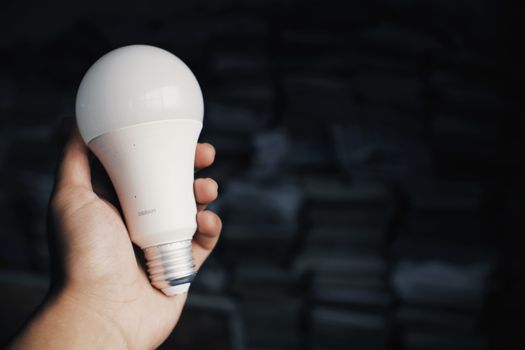
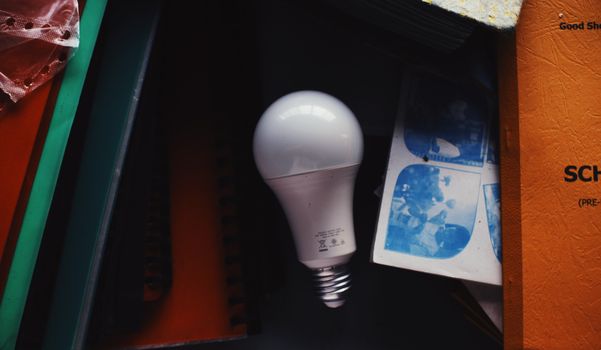
LED (Light Emitting Diode) technology fundamentally changes the relationship between lighting and environmental impact. LEDs are vastly more efficient, converting up to 90% of the energy they use into light. This leap in efficiency has immediate and measurable benefits for sustainability:
- The U.S. Department of Energy estimates that widespread adoption of LED lighting in the United States could save about 348 terawatt-hours of electricity by 2027, equivalent to the annual output of 44 large electric power plants. - These savings could result in a reduction of 246 million metric tons of carbon dioxide emissions—comparable to taking over 53 million cars off the road for a year.In addition to their superior energy efficiency, LEDs produce far less heat and are compatible with smart controls and sensors, enabling even greater reductions in energy use through features such as dimming, occupancy sensing, and scheduling.
Resource Conservation and Longevity of LED Lights
Another key factor in the ecological footprint of any product is its lifespan and the resources required for its production, use, and disposal. Here, too, LEDs offer compelling advantages:
- The average LED bulb lasts 25,000 to 50,000 hours—up to 25 times longer than traditional incandescent bulbs and 2-5 times longer than compact fluorescents (CFLs). - Fewer replacements mean less manufacturing, packaging, and transportation, all of which contribute to lower resource use and reduced emissions across the product lifecycle.This longevity translates into a dramatic reduction in the volume of waste sent to landfills. For example, replacing one incandescent bulb with an LED can prevent up to 25 bulbs from ending up as waste over the same period. Moreover, LEDs are free of mercury and other hazardous materials, making them safer to dispose of and recycle.
Comparing Environmental Footprints: LEDs vs. Other Lighting Types
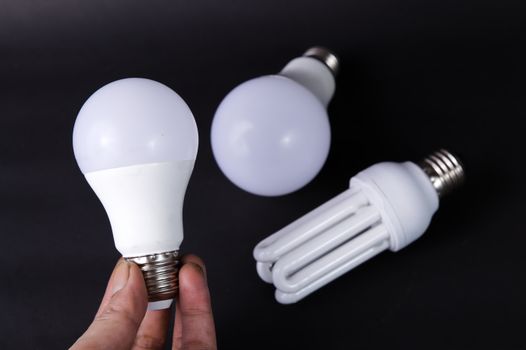
To clearly illustrate the sustainability benefits of LEDs, consider the following comparison table showing typical characteristics of household lighting options:
| Characteristic | Incandescent | Compact Fluorescent (CFL) | LED |
|---|---|---|---|
| Average Lifespan (hours) | 1,000 | 8,000 | 25,000–50,000 |
| Energy Use (watts for 800 lumens) | 60 | 13–15 | 8–10 |
| Contains Mercury | No | Yes | No |
| Annual CO2 Emissions (kg, per bulb) | 46 | 10 | 6 |
| Heat Produced | High | Medium | Low |
This comparison makes it clear: LED lights dramatically outperform both incandescent and CFL options in every key area of sustainability, from energy use and emissions to lifespan and safety.
Reducing Light Pollution and Enhancing Urban Ecology
Beyond energy and resource savings, LED lighting is helping to address another critical environmental issue: light pollution. Excessive and poorly designed outdoor lighting disrupts ecosystems, affects wildlife behavior, and obscures our view of the night sky. However, LEDs offer solutions through:
- Directional lighting: LEDs can be engineered to direct light precisely where it’s needed, reducing unnecessary spill and glare. - Smart controls: Timers, sensors, and adaptive dimming ensure outdoor lights are only active when required. - Tunable color temperatures: LEDs can emit warmer, less disruptive light at night, which is less harmful to nocturnal animals and insects.Cities like Tucson, Arizona, have retrofitted thousands of streetlights with shielded, lower-temperature LED fixtures, reducing their night sky brightness by 7% while saving hundreds of thousands of dollars annually. This demonstrates that LEDs, when thoughtfully implemented, can support both urban sustainability and the health of local ecosystems.
The Role of LEDs in Circular Economy and Future Innovations
Sustainability is not just about reducing energy and emissions—it's also about designing products for long-term reuse, recycling, and minimal environmental impact. LEDs are increasingly being integrated into circular economy models:
- Many LED manufacturers are developing fixtures that are modular and easier to repair, upgrade, or recycle. - Some companies are piloting take-back programs to recover valuable materials like aluminum, copper, and rare earth elements from old fixtures. - The European Union’s Ecodesign Directive now includes requirements for LED products to be more easily dismantled and recycled at end of life.Looking ahead, new advancements in LED materials, such as graphene, and innovations like organic LEDs (OLEDs) and quantum dot LEDs (QLEDs), promise even greater efficiency and environmental performance. The lighting industry is also exploring biodegradable or compostable components for future luminaires.
LED Lighting’s Global Impact: Toward a Sustainable Future
The global shift to LED lighting is accelerating. In 2022, LEDs accounted for more than 57% of the global general lighting market, up from just 1% in 2010. The International Energy Agency forecasts that by 2030, nearly all new lighting sales will be LEDs.
This transition is vital for achieving international climate and sustainability goals. The United Nations Environment Programme has identified efficient lighting as one of the fastest, most cost-effective ways to reduce global greenhouse gas emissions. If all lighting worldwide were switched to LEDs, it could cut annual electricity consumption for lighting by more than half, saving around 1,400 terawatt-hours each year—equivalent to the total electricity consumed by Japan and Germany combined.
LED Lights and Sustainability: Illuminating the Path Forward
LED lighting is more than just a technological upgrade—it’s a cornerstone of sustainable development. Its ability to drastically reduce energy consumption, minimize emissions, conserve resources, and lessen hazardous waste makes it one of the most impactful environmental innovations of the 21st century. As cities, businesses, and households worldwide continue to embrace LEDs, the ecological footprint of lighting will shrink, lighting the way to a brighter, more sustainable future for all.