LED Lighting and Its Impact on Office Productivity: What Do Studies Say?
The modern office has undergone a remarkable transformation in the past two decades, and lighting is at the heart of this evolution. While open layouts, ergonomic furniture, and digital tools get much of the credit for boosting productivity, the shift from traditional fluorescent to LED lighting is quietly revolutionizing how employees work, think, and feel. But does the type of light overhead really affect how well you perform at your desk? Multiple studies suggest the answer is a resounding yes. This article delves into the science and real-world data behind LED lighting in offices and its true impact on productivity, health, and workplace satisfaction.
The Science of Light: Why LED Matters in the Office
Lighting in the workplace is more than a matter of aesthetics; it has a profound biological and psychological influence on workers. Traditional fluorescent lighting, with its flicker and harsh color spectrum, has been linked to eye strain, headaches, and decreased alertness. In contrast, LED (Light Emitting Diode) technology offers a more natural and tunable light, closely mimicking daylight.
A key factor is the color temperature, measured in Kelvins (K). Studies indicate that cool white light (4000K–6500K), which LEDs can easily provide, supports alertness and concentration. The journal "Lighting Research & Technology" published a study in 2018 showing that office workers exposed to higher color temperature LED lighting reported a 12% increase in alertness and task accuracy compared to those under fluorescent lighting.
.png)
LEDs also eliminate the imperceptible flicker common in older bulbs, which has been shown to cause visual discomfort and even trigger migraines in sensitive individuals. The ability to adjust both the intensity and color temperature of LEDs means lighting can be tailored throughout the day, supporting the natural circadian rhythms that govern sleep, mood, and cognition.
Productivity Gains: What Do the Numbers Show?
Research on office lighting consistently demonstrates that the right lighting can lead to measurable productivity improvements. In a 2017 survey conducted by the American Society of Interior Designers, 68% of employees said lighting directly affected their productivity, and 50% specifically preferred LED fixtures for their workspace.
A controlled field study by the Fraunhofer Institute in Germany found that upgrading to LED lighting with adjustable brightness resulted in a 7.8% increase in work output over a six-month period. Participants also reported a 23% reduction in fatigue and a 16% drop in error rates, highlighting the tangible benefits for both employees and employers.
Another study published in the journal "Building and Environment" observed office workers before and after an LED retrofit. The results were clear: workers under LEDs completed tasks 6% faster and made 9% fewer mistakes. These numbers demonstrate that LED lighting is not just a cost-saving or energy-efficient choice, but a powerful tool for enhancing workplace performance.
Health and Well-Being: Beyond Just Productivity
The impact of LED lighting extends beyond improved output. Poor lighting is a well-documented cause of eye strain, headaches, and even symptoms of depression—issues that take a toll on both well-being and productivity. LEDs, with their steady and glare-free illumination, help mitigate these problems.
A 2019 study by the University of Twente in the Netherlands found that offices with tunable LED lighting reported 30% fewer complaints of eye discomfort and headaches. Employees also described better sleep quality, which scientists attribute to LEDs’ ability to reduce blue light exposure in the evening, supporting healthier circadian rhythms.
Furthermore, the ability to adjust lighting dynamically according to the time of day—known as "human-centric lighting"—has been shown to improve mood and cognitive performance. In one case study, a UK-based marketing company saw a 19% reduction in sick days after implementing a human-centric LED system. This suggests that lighting upgrades can have ripple effects on absenteeism and overall workplace well-being.
Comparing LED Lighting with Fluorescent and Incandescent: A Data Overview
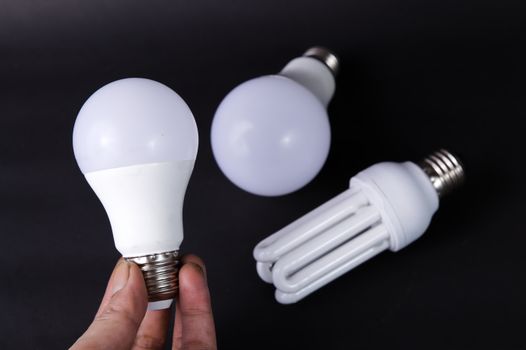
To better understand why so many offices are switching to LEDs, let’s compare the core attributes of LED, fluorescent, and incandescent lighting in a workplace context.
| Feature | LED | Fluorescent | Incandescent |
|---|---|---|---|
| Average Lifespan (hours) | 50,000+ | 7,000–15,000 | 1,000 |
| Energy Consumption (Watts for 800lm) | 8–10W | 13–15W | 60W |
| Color Temperature Range | 2700K–6500K | 2700K–6500K | 2500K–3000K |
| Flicker | No (if high quality) | Yes (common) | No |
| Dimmability | Yes (most models) | Limited | Yes |
| Environmental Impact | Low (no mercury) | Contains mercury | High (energy waste) |
| Employee Preference (Surveyed) | 50%+ | 30% | 20% |
These figures show why LEDs have become the preferred choice for modern offices: they last longer, use less energy, are more flexible, and are better for both people and the planet.
Case Studies: Real-World Results from Offices Using LEDs
To move beyond the lab and into the real world, it’s helpful to look at companies that have made the switch to LED lighting and tracked the results.
In 2021, a large financial services company in Chicago retrofitted one of its main offices with smart LED panels that adjust brightness and color temperature throughout the day. After one year, internal surveys showed a 14% increase in reported focus and a 21% drop in complaints related to headaches and tiredness. The company also noted a 9% improvement in project delivery times.
Similarly, the Portland headquarters of a tech firm upgraded to an intelligent LED system and saw a 17% reduction in employee turnover over 18 months. Management credited this in part to a more comfortable and appealing workspace, as feedback revealed that 78% of staff felt the new lighting made them feel more energized.
These case studies underline that investment in LED lighting can pay dividends in both hard numbers and softer metrics like employee satisfaction and retention.
Future Trends: The Next Generation of Office LED Lighting
As technology evolves, so does the potential for LED lighting to further boost office productivity. The latest trend is the integration of smart controls and sensors, allowing lighting to automatically adjust based on occupancy, daylight levels, and even individual preferences.
The global human-centric lighting market—which includes tunable LED systems—is projected to reach $7.9 billion by 2027, according to MarketsandMarkets. This growth is driven by increasing awareness of the link between lighting, health, and workplace performance.
Emerging research is also exploring the use of circadian lighting systems that mimic the natural progression of daylight, stimulating alertness during the morning with cooler tones and encouraging relaxation in the late afternoon with warmer tones. Early trials show that such systems can raise productivity by up to 10% and significantly improve the mood and engagement of office workers.
Beyond productivity and well-being, these smart systems can also help companies achieve sustainability targets by reducing unnecessary energy use—an important consideration as organizations strive for greener operations.
LED Lighting and Productivity: Key Takeaways
The evidence is clear: LED lighting is more than a modern office convenience; it is a strategic asset for productivity, health, and satisfaction. From scientific studies to real-world case results, the numbers consistently show that LEDs deliver measurable benefits. As offices continue to evolve to meet the demands of a changing workforce and a competitive global market, lighting should be considered a core part of any productivity strategy.
With advances in smart and human-centric lighting, the future looks even brighter for offices seeking to maximize their teams’ potential. By understanding and leveraging the science behind LED lighting, companies are better equipped to create environments where employees can thrive.