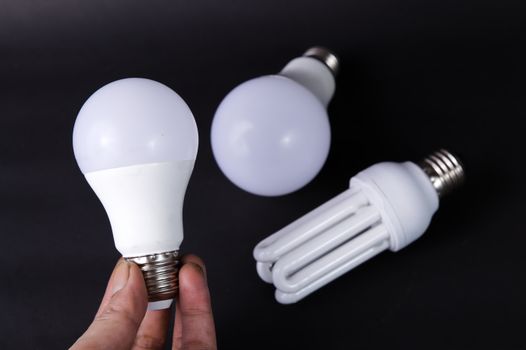
Light plays a more significant role in our daily lives than simply banishing the darkness. From the soft glow of sunrise that gently wakes us to the focused brightness of our workspaces, the quality, color, and intensity of light all impact how we feel and function. With the widespread adoption of LED lighting, our exposure to artificial light has changed dramatically in the past decade. But how does this shift affect our mood, well-being, and even mental health? Let’s explore the fascinating psychology of light and uncover how LED lighting can shape our emotional landscape.
The Science Behind Light and Human Psychology
For thousands of years, humans have evolved in sync with the natural cycle of sunlight. Our bodies are hardwired to respond to changes in light. The circadian rhythm—the body’s natural 24-hour clock—is regulated by light exposure: bright, blue-rich daylight signals our brains to wake up and be alert, while the warm hues of sunset trigger the release of melatonin, preparing us for sleep.
LED lighting, with its versatility and efficiency, can mimic or disrupt these natural patterns depending on how it’s used. According to a 2021 study published in the journal Sleep, people exposed to high levels of blue-enriched light in the evening experienced a 23% decrease in melatonin production, leading to poorer sleep quality. This is just one example of how artificial lighting, particularly LEDs, can influence our internal systems.
.png)
Psychologically, light affects more than sleep. Brightness, color temperature, and even flicker rates can alter our mood, cognitive performance, and overall mental health. Understanding these mechanisms helps us use LED lighting not just for energy savings, but to enrich our daily experiences.
LED Lighting and Mood: Setting the Emotional Tone
The color temperature and intensity of LED lighting are powerful tools for shaping mood. Color temperature is measured in Kelvins (K), with lower values (around 2,700K) producing warm, yellowish light, and higher values (above 5,000K) emitting cool, bluish tones.
- Warm white LEDs (2,700–3,000K) are associated with relaxation and comfort. They’re ideal for living rooms and bedrooms, where a cozy ambiance is desired. - Cool white LEDs (4,000–6,500K) promote alertness and concentration, making them perfect for offices, kitchens, and study areas.A 2018 study by the Lighting Research Center found that exposure to cool, bright LED light in the morning improved alertness scores by up to 30% compared to warm, dim lighting. Conversely, warm lighting in the evening led to lower stress levels and easier transition to sleep.
The psychological effects of light aren’t just limited to color temperature. The intensity of LED light also plays a role. Overly bright lighting can cause eye strain and irritability, while insufficient lighting may contribute to feelings of sadness or lethargy—a phenomenon known as Seasonal Affective Disorder (SAD) in regions with long, dark winters.
LEDs in Workspaces: Boosting Productivity and Well-Being
The modern workspace has been transformed by LED lighting, offering both challenges and opportunities for well-being. Properly designed LED systems can increase productivity, reduce fatigue, and even enhance job satisfaction.
A 2020 survey by the American Society of Interior Designers found that 68% of employees rated lighting as one of the most important factors in their work environment. Offices with adjustable LED lighting systems reported a 15% increase in self-reported productivity and a 10% decrease in reported headaches and eye strain.
Dynamic LED systems, which change color temperature and intensity throughout the day, are increasingly popular in offices. These systems can simulate natural daylight patterns, keeping employees more alert in the morning with bright, cool light, and gradually shifting to warmer tones in the afternoon to support relaxation and creativity.
Here’s a comparison of how traditional fluorescent lighting and modern LED systems affect workplace well-being:
| Aspect | Traditional Fluorescent Lighting | Modern Adjustable LED Lighting |
|---|---|---|
| Color Temperature | Fixed, often harsh | Adjustable, more natural |
| Flicker | Frequent, can cause eye strain | Minimal, smoother output |
| Impact on Mood | May cause fatigue and irritability | Supports alertness and relaxation |
| Energy Efficiency | Moderate | High (up to 80% savings) |
| Customization | Limited | Highly customizable (color, intensity) |
With these advantages, it’s no surprise that companies like Google and Amazon have invested in advanced LED lighting systems for their campuses, aiming to foster happier, healthier, and more productive employees.
LED Lighting at Home: Creating Spaces for Every Mood
Our homes are sanctuaries, but the wrong lighting can undermine comfort and well-being. With LEDs, homeowners have unprecedented control over their environment. Smart LED bulbs can be adjusted by smartphone or voice assistant to fit any activity or time of day.
For example: - In the morning, cool, bright LEDs in kitchens and bathrooms help shake off sleepiness. - During the day, neutral white lighting in home offices supports focus and reduces fatigue. - In the evening, dimmable warm LEDs in living rooms and bedrooms encourage relaxation and prepare the body for restful sleep.A 2022 survey by the Home Lighting Association reported that 72% of homeowners who switched to adjustable LED lighting felt more satisfied with their home’s ambiance and reported better sleep quality.
LED technology also offers options for color-changing bulbs, which can be used for mood lighting. Studies have shown that exposure to soft blue or green light can reduce anxiety, while gentle amber tones can foster intimacy and calm. The flexibility of LED lighting allows for mood-specific customization that wasn’t possible with older technologies.
Potential Downsides: Blue Light, Sleep Disruption, and Eye Health
While LED lighting offers many benefits, there are concerns about excessive blue light exposure, especially from screens and high-color-temperature bulbs. Blue light, which is abundant in many LEDs, suppresses melatonin and can lead to sleep disturbances if used heavily in the evening.
A 2017 Harvard Medical School review found that people exposed to blue-rich LED light before bed took an average of 16 minutes longer to fall asleep compared to those exposed to warmer lighting. Prolonged exposure may also contribute to digital eye strain, with symptoms including dry eyes, headaches, and blurred vision.
To mitigate these risks: - Use warmer, dimmable LEDs in bedrooms and living spaces at night. - Enable “night mode” or blue light filters on electronic devices. - Take regular breaks from screen-heavy environments and ensure adequate ambient lighting.LEDs themselves do not inherently cause more eye strain than other types of lighting; the key is in how and when they are used.
The Future of LED Lighting and Human Well-Being
The relationship between light and psychology is an exciting area of ongoing research. As LED technology continues to advance, new possibilities are emerging for personalized, human-centric lighting.
Researchers are developing LEDs that adjust automatically based on circadian rhythms, seasonal changes, and even individual preferences. Hospitals are experimenting with tunable LEDs to support patient recovery and reduce stress, while schools are using dynamic lighting to improve student focus and behavior.
According to a 2023 report by MarketsandMarkets, the global human-centric lighting market (much of it based on LED technology) is expected to reach $7.9 billion by 2027, growing at an annual rate of 32%. This reflects a growing awareness of the vital role that lighting plays in health, mood, and productivity.
Lighting the Path: Key Takeaways on LEDs and Our Well-Being
LED lighting has transformed not only how we illuminate our spaces, but also how we feel, work, and rest within them. By understanding the psychology of light—how color, intensity, and timing affect our minds and bodies—we can use LED technology to enhance our well-being.
The key is thoughtful use: choosing the right color temperature and intensity for each space and time of day, and being mindful of blue light exposure in the evening. With these strategies, LEDs can support a healthier, more harmonious daily life.