The Role of LED Lights in Modern Stage Design
The world of stage design has undergone a dramatic transformation in the past two decades, with one innovation shining brighter than the rest: LED lighting. From rock concerts and Broadway shows to global sporting events and innovative theatrical productions, LED lights have become the backbone of modern stagecraft. These compact, energy-efficient, and versatile sources of illumination have revolutionized the way designers create immersive visual experiences, enabling unprecedented creativity, cost savings, and sustainability.
But how exactly have LEDs changed the landscape of stage design? What sets them apart from traditional lighting solutions, and what new possibilities do they unlock for artists and audiences alike? In this comprehensive exploration, we’ll delve into the multifaceted role of LED lights in modern stage design, examining their technical advantages, creative applications, and the future direction of performance lighting.
The Evolution of Stage Lighting: From Incandescent to LED
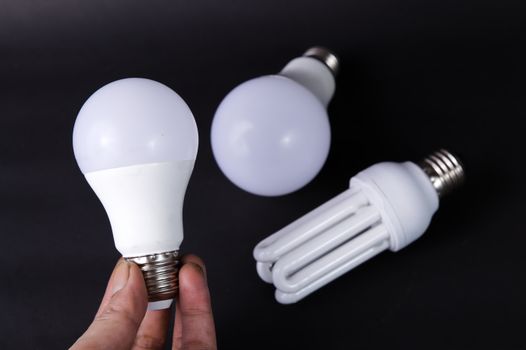
For much of the 20th century, stage lighting relied on incandescent and halogen lamps. While these fixtures provided warm, flattering light, they were notoriously inefficient, converting up to 90% of their energy into heat rather than illumination. This inefficiency posed practical challenges, such as excessive energy consumption, high cooling costs, and the risk of discomfort or burns for performers.
.png)
The early 2000s marked a turning point as LED (Light Emitting Diode) technology became viable for professional lighting applications. Unlike traditional bulbs, LEDs generate light through electroluminescence, using much less power and producing minimal heat. By 2010, LEDs began to dominate the landscape, with venues and production companies rapidly adopting them for their many benefits.
According to a 2023 report by the Professional Lighting Designers’ Association, over 85% of new stage lighting installations worldwide now utilize LED fixtures. This rapid adoption is attributed to factors such as:
- Up to 80% greater energy efficiency compared to incandescent lamps - Lifespans exceeding 50,000 hours (compared to 1,000-2,000 hours for traditional bulbs) - Vastly reduced maintenance and replacement costsThese advances laid the foundation for a new era in stage design—one where light becomes a malleable, dynamic element of storytelling.
Creative Freedom: Dynamic Color and Versatile Effects
One of the most transformative contributions of LED technology to stage design lies in its unmatched creative flexibility. Traditional lighting required colored gels or filters to achieve different hues, limiting designers to a set palette and making real-time color changes cumbersome.
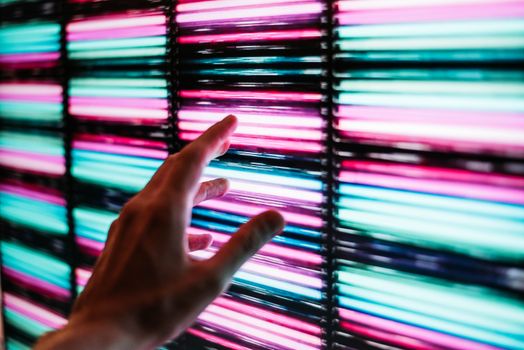
LED fixtures, by contrast, often feature multiple colored diodes (typically red, green, and blue, or RGB), which can be mixed to produce millions of colors instantly. Advanced models add white, amber, or ultraviolet diodes (RGBAW, RGBW, or RGBAUV), further expanding the spectrum and allowing for subtle, nuanced tones.
This innovation means that designers can:
- Instantly shift the mood of a scene with dynamic color changes - Create seamless fade-ins, strobes, and chases synchronized to music or movement - Layer multiple colors and effects for complex visual storytellingA notable example is the 2022 production of “Hamilton” at London’s Victoria Palace Theatre, where over 400 programmable LED fixtures enabled rapid scene transitions and hyper-precise color control, immersing audiences in the evolving emotional landscape of the narrative.
Additionally, LED pixel mapping—where each LED can be individually controlled as a pixel—has given rise to breathtaking video walls, immersive backdrops, and interactive sets. This technology was used extensively during the 2020 Tokyo Olympics opening ceremony, where over 1,800 LED drones formed intricate aerial displays, synchronizing with stage lighting to create a unified visual spectacle.
Technical Advantages: Efficiency, Safety, and Reliability
Beyond aesthetics, LEDs offer a host of practical advantages that have cemented their status in modern stage design.
- $1 LED fixtures consume up to 75% less electricity than conventional stage lights. For example, a typical 1,000-watt halogen spotlight can now be replaced by a 200-watt LED fixture with comparable brightness. In large-scale productions, this translates to tens of thousands of dollars saved annually in energy costs. - $1 LEDs convert most of their energy into light rather than heat, significantly reducing onstage temperatures. This not only enhances performer comfort but also lowers the risk of burns, fire hazards, and the need for powerful cooling systems. - $1 With lifespans of 50,000 to 100,000 hours, LEDs require far less frequent replacement. They are also more resistant to shock and vibration, making them ideal for touring productions and venues with demanding schedules. - $1 Unlike some traditional lights that require warm-up periods, LEDs achieve full brightness instantly and support smooth, flicker-free dimming—essential for precise cueing and dynamic effects.The table below summarizes key differences between LED and traditional stage lighting:
| Feature | LED Stage Lighting | Traditional (Incandescent/Halogen) |
|---|---|---|
| Energy Consumption | Up to 75% less | High |
| Lifespan | 50,000-100,000 hours | 1,000-2,000 hours |
| Heat Output | Minimal | High |
| Color Changing | Instant, millions of colors | Requires gels/filters |
| Maintenance | Low | Frequent replacement needed |
| Environmental Impact | Low | Higher |
Environmental Sustainability and Cost Savings
The adoption of LEDs has substantial environmental benefits—a growing priority for the entertainment industry. According to the U.S. Department of Energy, widespread usage of LEDs could reduce global carbon emissions by 1.5 gigatons annually by 2030.
In stage production, the impact is immediate and measurable:
- A mid-sized theater replacing 100 traditional fixtures with LEDs can cut its lighting energy bill by over 60%. - Lower heat generation reduces air conditioning needs, further decreasing energy consumption and operating costs. - LEDs do not contain hazardous materials such as mercury, making disposal safer and more eco-friendly.Some venues have reported recouping their initial investment in LED upgrades within just 2-3 years, thanks to savings on energy and maintenance. This shift also aligns with broader trends toward sustainable event production and eco-conscious audience expectations.
New Horizons: Integration with Digital and Interactive Technologies
LED technology stands at the intersection of lighting and digital innovation. Modern stage design increasingly relies on seamless integration between lighting, video, sound, and interactive systems. LEDs, with their instant controllability and digital interfaces, are ideally suited for this convergence.
- $1 Most professional LED fixtures are compatible with DMX512—a digital communication standard that allows precise, real-time control of thousands of lights from a single console. Wireless DMX and app-based controls are now common, enabling designers to program complex effects remotely. - $1 LED-lit stages can be combined with projection mapping and AR to create immersive environments. For example, the 2023 “ABBA Voyage” virtual concert in London used over 500 moving LED lights synchronized with holographic projections, blurring the line between physical and digital performance. - $1 Interactive LED wristbands, floor tiles, and set elements can respond to audience movement or applause, transforming passive spectators into active participants. Events like Coldplay’s 2022 world tour distributed 40,000 LED wristbands per show, lighting up the crowd in sync with the music and stage visuals.Such innovations demonstrate that LEDs are not just tools for illumination—they are integral components of a new era in live entertainment, where the boundaries between performer, stage, and audience are constantly reimagined.
Case Studies: LED in Action on the World Stage
To appreciate the impact of LEDs, it’s worth examining some high-profile uses:
- $1 The Eurovision Song Contest, broadcast to over 180 million viewers in 2023, featured a stage with more than 1,200 LED panels, creating dynamic backgrounds that changed instantly with each performance, enhancing both the live and televised experience. - $1 This aquatic-themed show employs underwater and above-stage LED fixtures to achieve surreal lighting effects, such as glowing pools and color-shifting fog, which would be impractical or impossible with conventional lights. - $1 The set’s minimalist design relies heavily on LED screens and fixtures to convey mood, location, and emotional tone, allowing rapid shifts between intimate solo scenes and bustling ensemble numbers.These examples illustrate how LEDs empower designers to tell stories in bold, visually striking ways that engage and inspire audiences worldwide.
Conclusion: Illuminating the Future of Performance Art
LED lights have become the cornerstone of modern stage design, offering unparalleled creative freedom, efficiency, and sustainability. Their ability to deliver vibrant colors, precise effects, and seamless integration with digital technologies has fundamentally altered the way performances are conceived and experienced.
With the entertainment industry increasingly focused on innovation and environmental responsibility, the role of LEDs will only grow in significance. As technology continues to advance—heralding even brighter, more efficient, and interactive solutions—the possibilities for stage design are virtually limitless.
Whether you’re a theatergoer, an aspiring designer, or simply someone who appreciates the magic of live events, the impact of LED lighting is impossible to ignore. These tiny diodes are not just lighting up stages—they’re illuminating the future of performance art.