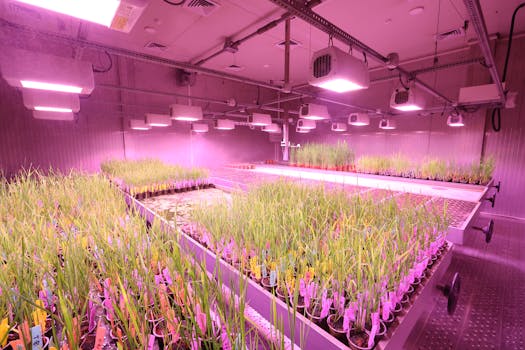
The adoption of LED (Light Emitting Diode) technology in indoor gardening has been a game-changer, enhancing plant cultivation efficiency and sustainability. This evolution is a boon for both hobbyists and professional growers, allowing them to achieve better growth outcomes while minimizing environmental impact.
Benefits of LED Lights in Indoor Gardening
- Customizable Light Spectra
LEDs can be engineered to emit specific light spectra, which is pivotal for plant development. Different stages of plant growth require different wavelengths; for example, blue light generally enhances vegetative growth, while red light is better for flowering and fruit production. LEDs can be adjusted to meet these needs, which is a significant advantage over traditional lighting options.
.png)
- Energy Efficiency and Cost Effectiveness
LED lights are more energy-efficient than conventional grow lights, such as fluorescent or incandescent bulbs. They consume less electricity and have a longer lifespan, which means lower utility bills and fewer replacements. This efficiency is crucial in indoor gardening, where lights need to operate for many hours each day.
- Low Heat Emission
Unlike other types of grow lights, LEDs emit very little heat. This is beneficial because excessive heat can compromise plant health and requires additional cooling equipment to manage. With LEDs, indoor gardeners can place lights closer to plants without the risk of heat damage, promoting better light absorption and growth.
- Versatile Design Options
LEDs are available in various designs, including panels, bars, and bulbs, making them suitable for virtually any indoor space — from a small kitchen herb garden to a full-scale commercial greenhouse. This flexibility allows gardeners to optimize their setups based on specific space and plant requirements.
- Environmental Sustainability
LEDs are free from toxic chemicals like mercury, which are found in some traditional lights. Their long lifespan and energy efficiency also contribute to reduced waste and lower energy consumption, aligning with the sustainable practices important to many gardeners today.
Implementing LED Lighting in Indoor Gardens
To fully benefit from LED lighting, indoor gardeners should consider the following:
- Choose the Appropriate Light Spectrum: Depending on the types of plants and their stages of growth, the choice of light spectrum can greatly affect their development. While full-spectrum LEDs are generally effective, some plants may require more specific wavelengths.
- Proper Placement: Understanding the optimal distance between the lights and the plants is crucial to prevent light burn and ensure effective light absorption. This distance can vary based on the light intensity and the type of plant.
- Continuous Learning and Adjustment: As with any technology, staying informed about the latest developments in LED technology can help gardeners make better choices and adjustments in their gardening practices.
Conclusion
LED lighting technology has significantly impacted indoor gardening, offering numerous benefits that include tailored light spectra, energy efficiency, reduced heat output, versatile design, and environmental sustainability. As LED technology continues to evolve, its applications in indoor gardening are expected to expand, providing even more opportunities for efficient and sustainable plant cultivation. Whether for a small home project or a large commercial venture, LED lights offer a promising future for indoor gardening enthusiasts.